
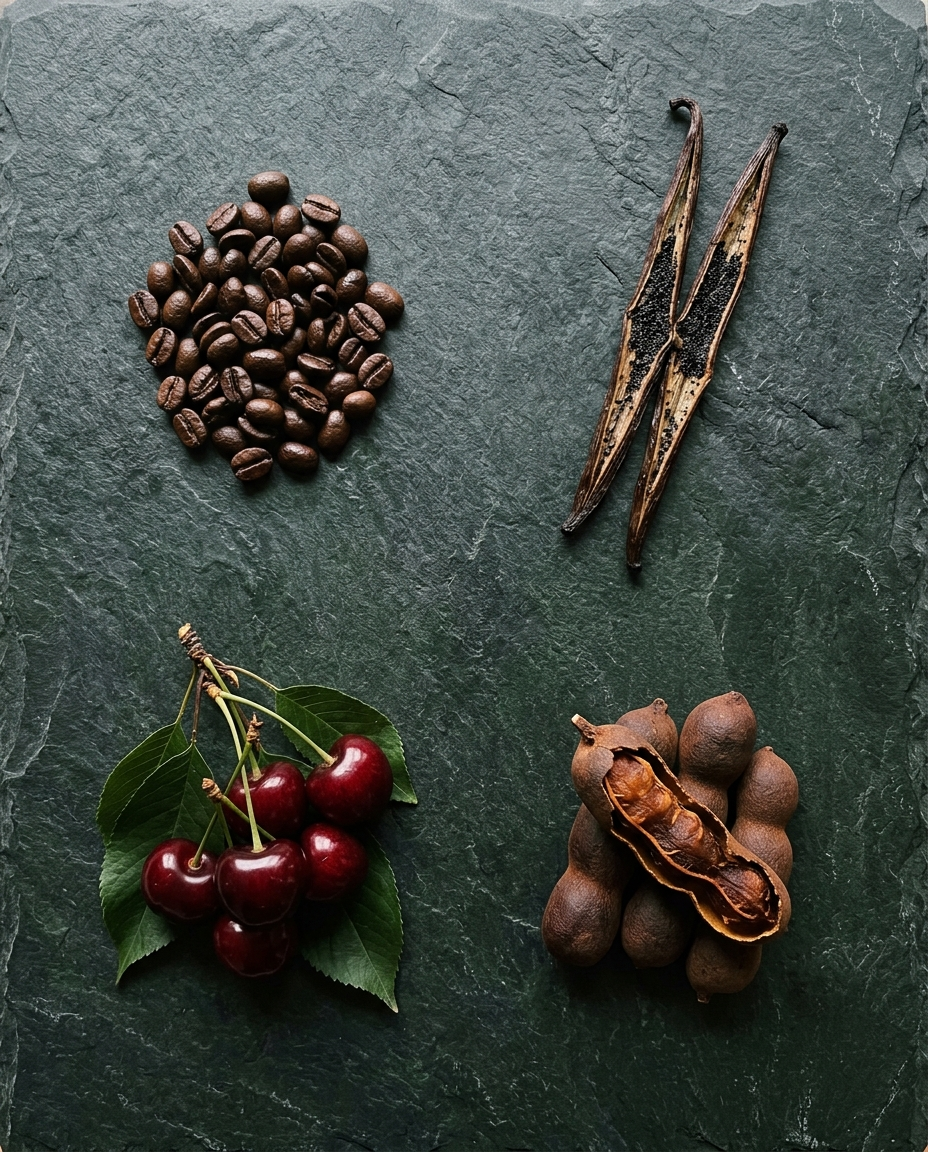
The old flavoured-spirit playbook was simple: make it sweet, make it loud, and hope the base spirit disappears. Premium tequila flavour trends are taking the opposite route. The bottles getting attention now keep the agave in view, use recognisable natural flavours, and bring enough structure to be enjoyed neat, over ice or mixed with intent.
For drinkers who care what is actually in the glass, that shift matters. A flavour should add a new dimension to a quality reposado, not cover it up. The difference is felt immediately: less syrup, more character, and a finish that invites another considered sip.
Premium tequila flavour trends are getting drier
The strongest movement in flavoured tequila is away from confectionery-style sweetness. People still want flavour, but they are far more selective about how it arrives. A premium serve can be expressive without tasting like a dessert course.
That is why zero added sugar and a clean ingredient approach have become meaningful purchase signals. They do not automatically make a spirit better, but they give the agave, oak and natural flavourings room to speak. A well-made reposado already has a rounded profile from resting in oak. Add flavour with restraint and the result can feel layered rather than manufactured.
This is particularly relevant in cocktails. Excessively sweet spirits can flatten a drink, leaving little room for fresh citrus, soda, bitter aperitifs or spice. A drier flavoured reposado gives bartenders and home hosts more control. It can carry a simple highball, sit confidently in a stirred serve, or bring personality to a long drink without demanding a cupboard full of modifiers.
The trade-off is honest: drier profiles ask more of the base liquid. There is nowhere for poor agave character or artificial aftertaste to hide. That is precisely why provenance and production standards are becoming part of the flavour conversation.
Flavour is moving closer to the kitchen
Fruit remains a major force, but the premium end is choosing richer, more adult expressions. Black cherry is a clear example. It brings dark-fruit depth, a gentle tartness and a familiar richness that works with reposado’s vanilla-and-oak character. Done properly, black cherry tequila feels closer to a refined after-dinner pour than a sugary novelty.
Tamarindo is another flavour gaining ground because it offers contrast. Its sweet-sour, lightly savoury character has enough bite to keep a drink lively, especially when paired with sparkling water or ginger beer. It suits drinkers looking for something vivid without the one-note sweetness common in mainstream flavoured spirits.
Coffee and vanilla continue to earn their place too, though the best examples treat them as flavour notes, not a cover version of a liqueur. Coffee can draw out roasted, cacao-like edges in agave. Vanilla can amplify the soft, rounded qualities a reposado develops during maturation. Both need balance. Too much coffee becomes bitter and heavy; too much vanilla becomes cloying. The sweet spot is a clean finish with the tequila still clearly present.
This kitchen-led direction reflects broader drinking habits. People know the taste of real coffee, ripe fruit, warming spice and natural vanilla. They can tell when a flavour feels true to its source and when it feels engineered for instant impact. Premium spirits are meeting that expectation with shorter ingredient stories and more deliberate flavour building.
Reposado is the smart foundation for flavour
Blanco tequila has its own energy: direct, peppery and intensely agave-forward. But for natural flavour innovation, reposado offers a particularly versatile canvas. Resting introduces gentle oak influence, smoothing sharper edges while preserving the character of 100% Blue Agave.
That middle ground matters. A heavily aged spirit can be too wood-led for brighter flavour additions, while an unaged profile can make certain flavours feel disconnected. Reposado brings enough warmth to support coffee, black cherry or vanilla, and enough freshness to make tamarindo feel crisp rather than weighty.
For a premium flavoured tequila, 40% ABV is also a statement of intent. It gives the liquid shape, carries aroma and keeps the finish composed when served over ice or lengthened. Lower strength can be right for some styles, but it may leave a flavoured spirit tasting thin once it meets mixers. A full-strength reposado-based pour remains versatile because it has the presence to hold its place in the glass.
Jalisco provenance is part of this equation, not a marketing footnote. The highlands of Jalisco are known for producing Blue Agave with generous fruit and floral character. When the spirit is sourced, distilled and bottled there, it starts with a credible sense of place. Flavour can then be an extension of that foundation rather than a distraction from it.
The best serves are simpler, not louder
Premium drinkers are not necessarily chasing complicated recipes. They are looking for serves that feel considered and easy to repeat. A black cherry reposado with chilled soda and a garnish chosen for aroma can feel polished in under a minute. Coffee-flavoured reposado can bring depth to an espresso-led cocktail without needing extra sugar. Tamarindo works brilliantly in a bright, sparkling build where its natural tang does the heavy lifting.
The rule is not that every flavoured tequila should be mixed. A strong product should also stand up to being tasted on its own. Start with a small pour at cool room temperature or over a single large piece of ice, then notice whether the agave arrives before the flavour and remains after it. That sequence tells you a lot about quality.
For hospitality teams, this creates menu value. One bottle can work across a quick two-ingredient serve, a premium cocktail and an after-dinner option. It also gives guests an accessible entry point into tequila without talking down to more experienced drinkers. The flavour is familiar; the structure is grown-up.
Convenience is becoming part of premium drinking
Premium no longer has to mean formal. Modern drinkers want quality that travels well to rooftops, festivals, weekends away and house gatherings. Format is becoming part of the experience, especially when it protects the quality of the liquid rather than reducing it to a gimmick.
A 50ml mini is a useful case in point. It lets people sample distinct flavour profiles before committing to a full bottle, makes sharing easier, and offers a practical option for occasions where glassware and elaborate cocktail kit are not the point. Thiago Tequila Minis bundle brings Coffee, Vanilla, Black Cherry and Tamarindo Sour into that format, built for sipping, spritzing or making a simple cocktail on the go.
For travellers, 50ml bottles are generally within the 100ml container limit for cabin-bag liquids, although airline and destination rules should always be checked before packing. For festival-goers, venue policies matter too. Premium convenience works best when it is paired with a little planning.
What to look for before you buy
The label should make the core proposition clear. Look for 100% Blue Agave reposado tequila as the foundation, a credible Mexican production story, natural flavouring where stated, and clarity around added sugar, artificial additives and colouring. These details do not replace personal taste, but they separate considered flavour innovation from a generic sweetened spirit.
Then think about how you will actually drink it. If you prefer darker, rounded flavours, coffee, vanilla or black cherry may suit you. If you want a brighter, more savoury edge for longer drinks, tamarindo could be the better call. There is no universal winner because the best flavour depends on the moment, the serve and your palate.
The most exciting direction is not more flavour for flavour’s sake. It is better flavour, built on real agave character and made to work wherever the night goes. Choose a bottle that still tastes like tequila, then let the flavour take it somewhere new.