Table of Contents
- The Real Cost of a Home Tequila Cocktail
- Price Per Serving: Home Bar vs Bar Markup
- How to Make Tequila Cocktails at Home: Three Recipes
- How to Make a Tequila Spritz Without Wasting a Bottle
- Reposado Tequila Cocktails Worth the Shelf Space
- Best Flavoured Tequila UK for Home Mixing
- Where Home Bars Lose Money: Waste, Spoilage and Equipment
- Frequently Asked Questions
Last Updated: September 12, 2026
The Real Cost of a Home Tequila Cocktail
The question of whether making tequila cocktails at home is cheaper has a short answer: yes, consistently, once you stop counting the first round of equipment. A home margarita built with a proper reposado lands at a fraction of what the same drink costs across a bar, and the gap widens with every bottle you finish. This guide from Thiago Tequila breaks down the real numbers, the gear worth buying, and where home bars quietly lose money.
The catch most cost comparisons miss is waste. A bar pours measured, rotates stock fast, and writes off almost nothing. A home bar buys a bottle of something obscure for one recipe, uses 50ml, and leaves the rest to oxidise. That single habit can wipe out the savings from a dozen well-made drinks.
Below, we cover what to buy before you start, the true price per serving, three recipes that justify the shelf space, and the spoilage traps that erode the maths.
What You'll Need Before You Start
Start with four pieces of kit and nothing more. A cocktail shaker, a jigger, a bar spoon, and a decent strainer cover every recipe in this guide. Add a citrus squeezer if you plan to use fresh juice rather than bottled, which you should.
Total Time: 10 minutes to assemble a starter kit Difficulty: Beginner
- Cocktail shaker (Boston or three-piece)
- Jigger, ideally 25ml/50ml
- Fine strainer
- Bar spoon for stirring
- Sharp knife and chopping board for garnish
Skip the copper bar cart and the twelve-piece gadget set. A common mistake is buying equipment for drinks you will make twice. Buy the four essentials, then add tools only when a specific recipe demands them.
Price Per Serving: Home Bar vs Bar Markup
A home tequila cocktail costs roughly a quarter to a third of the same drink in a bar, once you account for spirit, mixer, and garnish (ons.gov.uk). The saving comes from two places: no venue markup on the spirit, and no labour or rent baked into the price.
Here is how the cost breaks down for a standard margarita, assuming a 70cl bottle of reposado at £54.99:
| Cost Component | Home (per serve) | Bar (per serve) |
|---|---|---|
| Spirit (50ml) | ~£3.90 | ~£3.90 |
| Triple sec (25ml) | ~£0.60 | ~£0.60 |
| Fresh lime | ~£0.30 | ~£0.30 |
| Garnish | ~£0.15 | ~£0.15 |
| Venue markup and labour | £0 | £8-£10 |
| Total | ~£4.95 | ~£13-£15 |

The spirit line is identical on both sides. What you are really paying for at a bar is the room, the staff, and the convenience. That is a fair trade for a night out, and a poor one for a Tuesday.
Price Per Ounce: The Metric That Actually Settles the Argument
Most cost comparisons stop at the per-serve table and call it a day. That is where they go soft. The number that survives scrutiny is price per millilitre, because it strips out pour size, glassware, and garnish and reduces every bottle to a single comparable figure.
Take a 70cl bottle at £54.99. Divide the price by 700ml and you get roughly £0.08 per ml. A standard 50ml pour therefore costs about £3.93 in spirit alone. A bar charging £13 for the same margarita is effectively charging you £9.07 for the room, the labour, and the glass, a markup of roughly 2.3x on the liquid.
Run the same maths on a budget bottle at £22 and the home pour drops to about £1.57. The gap to a bar widens to more than 8x. This is the honest version of the 'is it cheaper' question: it is not just cheaper, it is cheaper by an order of magnitude once you isolate the spirit.
Amortising the Gear: How Many Drinks to Break Even
Equipment is the one cost competitors wave away with a shrug. It should not be. A starter kit of shaker, jigger, strainer, and bar spoon runs to roughly £40-£60 depending on how serious you get. Spread that across a single weekend of four drinks and it adds £10-£15 per cocktail, more than the bar markup you were trying to avoid.
Spread it across two years of weekly cocktails, call it 100 drinks, and the same kit adds about £0.40-£0.60 per serve. That is the break-even curve, and it is steep at the start and flat by the end.
| Drinks Made | Equipment Cost Per Drink (£50 kit) |
|---|---|
| 4 | ~£12.50 |
| 20 | ~£2.50 |
| 50 | ~£1.00 |
| 100 | ~£0.50 |
| 200 | ~£0.25 |
The practical takeaway: if you are making fewer than twenty cocktails a year, the gear is not the saving, the spirit is. Buy the four essentials, not the twelve-piece set, and let the amortisation do its work.
How to Make Tequila Cocktails at Home: Three Recipes
Three recipes cover almost every occasion: a classic, a long refreshing pour, and a low-effort spritz. Each uses a reposado base, which brings a rounder, slightly oaky character than a blanco and holds up better against mixers.
The Classic Margarita
Combine 50ml reposado, 25ml triple sec, and 25ml fresh lime juice in a shaker with ice. Shake hard for 12 seconds, then strain into a chilled coupe with a salt rim. Skip the blender and the sugar syrup; a good reposado carries enough sweetness on its own.
For a fruit-forward twist, swap the triple sec for a measure of Thiago Black Cherry Tequila. The black cherry is infused after distillation with zero added sugar, so it deepens the drink without turning it into a dessert.
The Paloma
Pour 50ml reposado into a highball over ice, add 15ml fresh lime juice, top with grapefruit soda, and stir once. Salt the rim if you like. This is the most forgiving cocktail in the book and the one most likely to convert a non-tequila drinker.
The Tequila Spritz
Build 40ml reposado in a large wine glass over ice, add 20ml soda water, top with a dry sparkling wine, and garnish with a grapefruit wedge. Lighter than a margarita, lower in alcohol, and ideal for long afternoons.
try all three minis · £15.99 →
How to Make a Tequila Spritz Without Wasting a Bottle
The spritz is where home bars waste the most. It calls for sparkling wine, which goes flat within a day of opening, and most people open a full bottle to make two drinks.
The fix is portioning. Buy sparkling wine in 200ml cans or small bottles, which give you four spritzes with nothing left to lose. If you only have a full bottle, seal it with a proper stopper and keep it cold; it will hold fizz for 24 hours, no longer.
Spirit waste works the same way. A 70cl bottle makes roughly fourteen cocktails at 50ml a pour, which is a lot of drinks to get through before the bottle starts to dull. This is where smaller formats earn their place. The Thiago minis bundle gives you three 50ml bottles, which is exactly one drink each, so you can try a flavour without committing a full bottle to the shelf. They are also cabin-baggage friendly, which makes them the obvious choice for a festival, a weekend away, or a party where you want to sip, spritz, or cocktail without carrying glass.
Reposado Tequila Cocktails Worth the Shelf Space
Reposado is the workhorse of a home bar because it sits between blanco's sharpness and añejo's sweetness. Rested six months in white oak, it brings vanilla and light caramel notes that mix well without dominating.
Three cocktails justify a reposado bottle:
- Mexican Mule: reposado, ginger beer, lime, in a copper mug
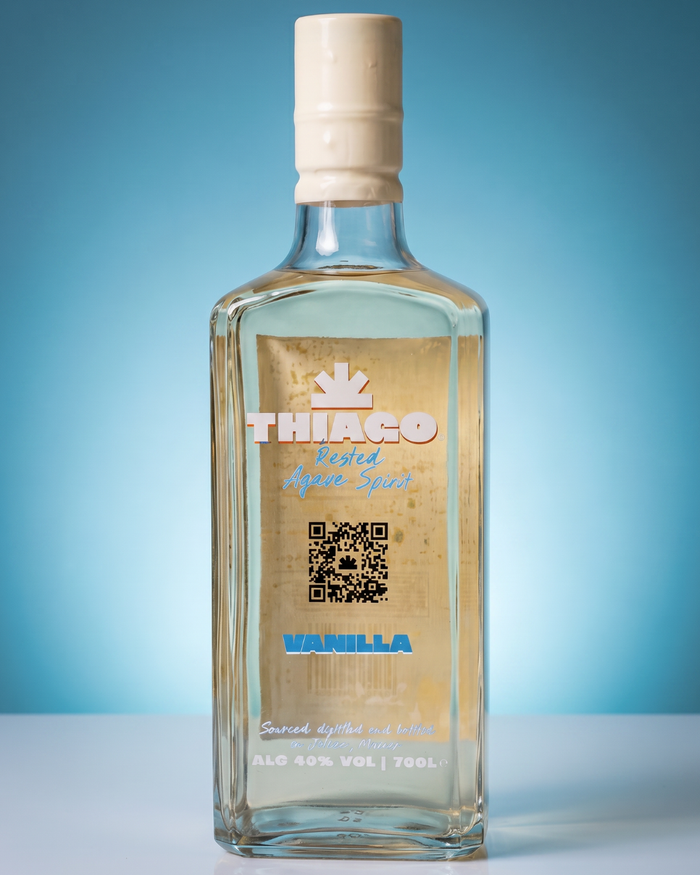
- Vanilla Paloma: reposado, grapefruit soda, a measure of vanilla-infused tequila
- Espresso Martini: reposado, coffee liqueur, fresh espresso, shaken hard
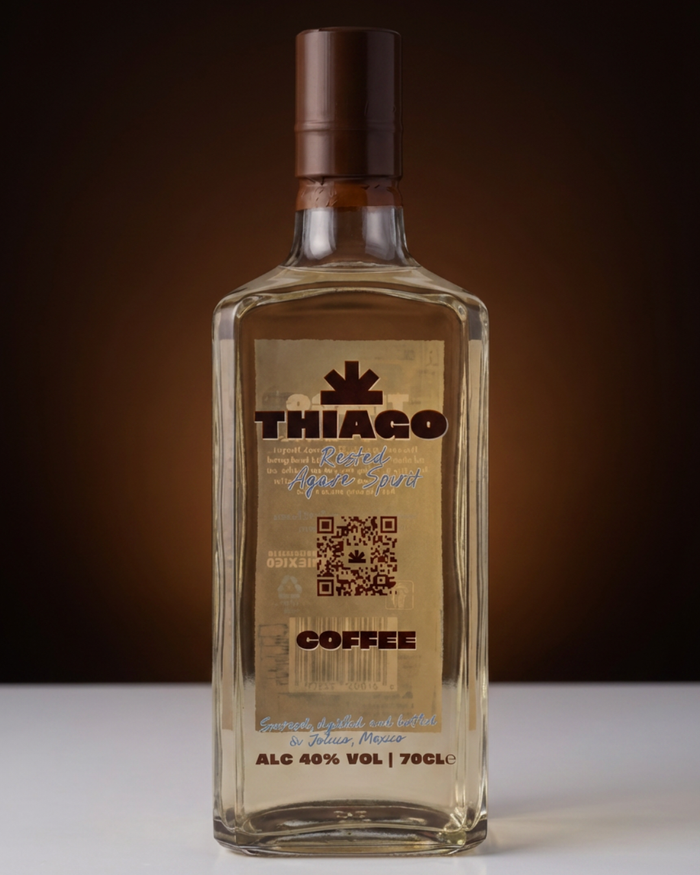
That last one is worth a note. A coffee-forward tequila, such as Thiago Coffee Tequila, replaces the usual vodka and adds an agave backbone that a standard espresso martini lacks. It is poured at Albert's Schloss across Manchester, London, Birmingham and Liverpool, which tells you it holds up in a busy bar setting.

Best Flavoured Tequila UK for Home Mixing
The best flavoured tequila for home mixing is one infused with real ingredients after distillation rather than blended with syrup. Syrup-based bottles taste sweet and thin, and they flatten a cocktail instead of lifting it.
Judge a flavoured tequila on three things:
- Base spirit: 100% Blue Agave, ideally reposado
- Flavouring method: real fruit or botanical infusion, not syrup
- Sugar content: zero added sugar keeps the drink balanced
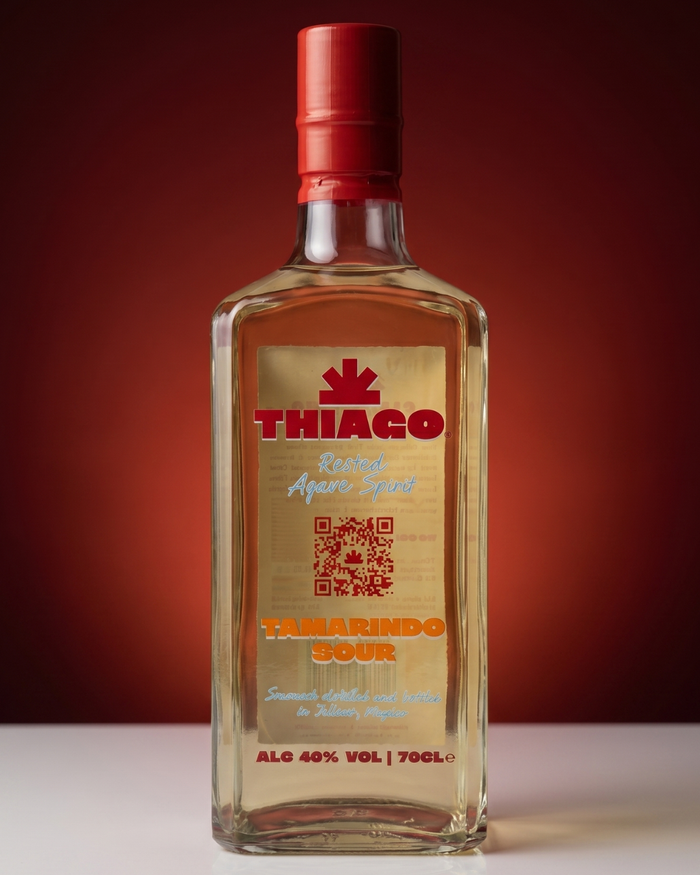
Thiago is built on all three. The range is sourced, distilled and bottled in the highlands of Jalisco, infused with real Mexican ingredients, and carries no added sugar at 40% ABV. The Black Cherry and Vanilla expressions both work neat over ice as well as in a shaker, which matters when you are spending £54.99 on a bottle and want it to earn its place.
Where Home Bars Lose Money: Waste, Spoilage and Equipment
Waste is the only line item that can turn a cheaper home bar into a more expensive one. Spirit does not spoil in the bottle, but it does fade once opened and exposed to air, and mixers, citrus and sparkling wine all have short windows. The honest version of the frugality argument has to price that waste, not just warn about it.
The Hidden Cost of Spoilage
Most home bar cost comparisons assume every ingredient gets used. In practice, a meaningful share does not. Here is the realistic shelf life of the ingredients a tequila drinker actually buys:
| Ingredient | Opened Shelf Life | Typical Waste |
|---|---|---|
| Fresh lime juice | 2-3 days chilled | High, often half a bag (food.gov.uk) |
| Fresh grapefruit juice | 2-3 days chilled | High |
| Sparkling wine | 24 hours with a stopper | Very high (wsetglobal.com) |
| Triple sec | 6-12 months | Low |
| Opened tequila | 6-12 months (flavour fades) | Low |
| Vermouth / aromatised wine | 1-3 months chilled | Very high |
A common pattern is a home bar buying a bag of limes for a weekend, using four, and binning the rest by Wednesday. At roughly £0.60 a lime, that is £3-£4 of silent waste per session, enough to erase the saving on a single cocktail. Sparkling wine is worse: a full bottle opened for two spritzes and poured away the next day is £6-£10 gone.
Pricing the Waste Honestly
If a home bar wastes £5 a week on citrus and mixers, that is roughly £260 a year. Against a saving of £8-£10 per cocktail versus bar prices, you need to make around 30 drinks a year just to cover the waste, and that is before equipment. The frugal case still wins, but only if the waste is managed, not ignored.
Three habits keep the maths on your side:
- Buy citrus weekly, not monthly. Fresh lime and grapefruit are cheap; mouldy ones are not.
- Portion sparkling wine. Cans and 200ml bottles give you four spritzes with nothing left to lose.
- Rotate your stock. Open bottles get used first. A bottle at the back of the shelf is money evaporating.
Amortising the Equipment
A £40 shaker spread across two years of weekly cocktails costs pennies per drink. Spread across four drinks total, it costs £10 each. The break-even curve is steep at the start and flat by the end, which is why the sensible move is to buy the four essentials, shaker, jigger, strainer, bar spoon, and add tools only when a specific recipe demands them.
Smaller Formats as a Waste Strategy
This is where smaller bottles earn their place. A 70cl bottle makes roughly fourteen cocktails at 50ml a pour, which is a lot of drinks to get through before the bottle starts to dull. The Thiago minis bundle gives you three 50ml bottles, exactly one drink each, so you can try a flavour without committing a full bottle to the shelf and risking the fade. They are also cabin-baggage friendly, which makes them the obvious choice for a festival, a weekend away, or a party where you want to sip, spritz, or cocktail without carrying glass.
Frequently Asked Questions
Is it more cost-effective to make cocktails at home than buy them at a bar?
It depends on how often you drink and what you stock. A home bar has an upfront cost: shaker, jigger, glassware and a bottle of spirit. Once that is covered, each drink costs a fraction of a bar price because you are paying retail for the spirit and a few pence for citrus and syrup. The saving grows with every round you make. If you only mix one cocktail a year, the equipment spend never pays itself back.
How much tequila do you need for a batch of margaritas?
A standard margarita uses 50ml of tequila, 25ml of fresh lime juice and 25ml of orange liqueur or agave syrup. For eight drinks that is 400ml of tequila, roughly two thirds of a 70cl bottle. Batching in a jug or bottle ahead of time means you measure once, chill the mix and pour over ice when guests arrive, which cuts both waste and the time you spend behind the bar.
Does the quality of the tequila change what a cocktail costs?
It changes the price per serving more than the total spend. A 100% Blue Agave reposado costs more per bottle than a mixto, but you use the same 50ml per drink either way. What you gain is a smoother base that does not need heavy mixers to hide a harsh burn, so you buy fewer ingredients overall. Thiago's reposado range, rested six months in white oak and infused with real Mexican ingredients rather than syrup, is built for exactly this.
Are pre-mixed cocktails cheaper than making them from scratch?
Rarely, once you drink more than a couple at a time. Pre-mixed bottles carry a convenience premium and offer no control over sweetness or strength. Making from scratch lets you adjust the ratio, use fresh citrus and choose your own spirit. You also avoid paying for water, sugar and packaging. The trade-off is a few minutes of prep and a small amount of equipment you buy once.