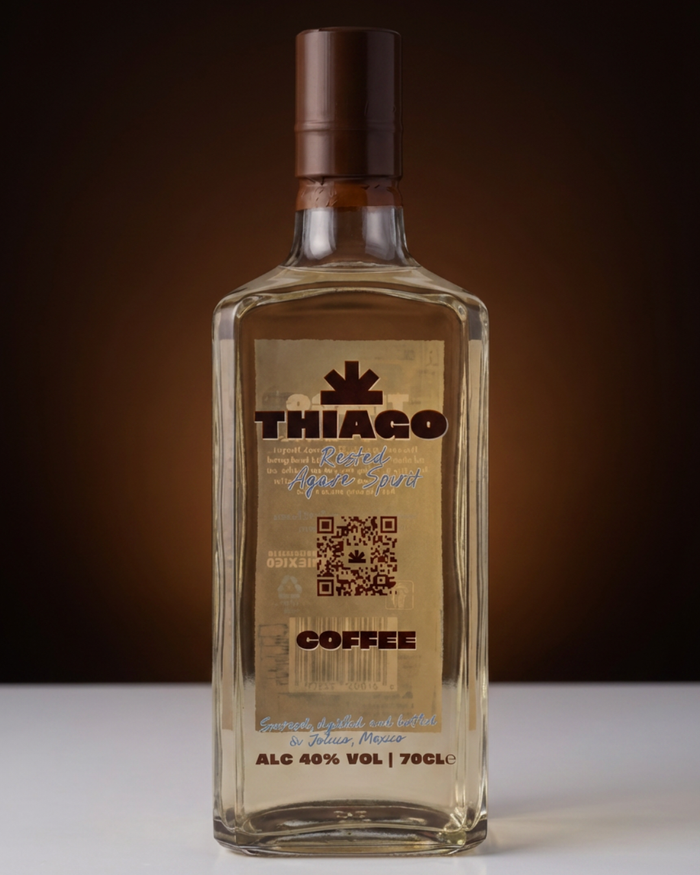
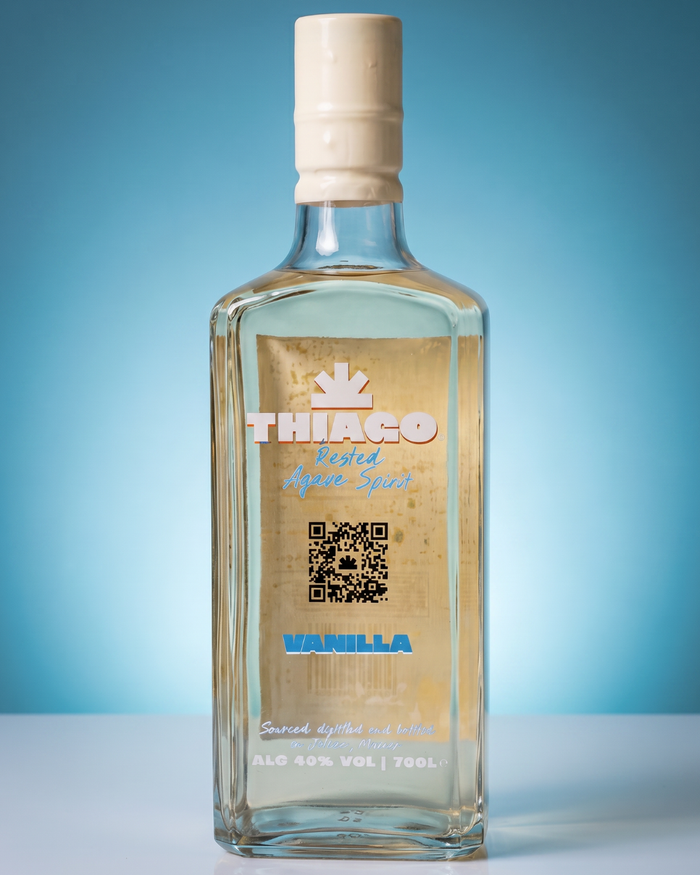
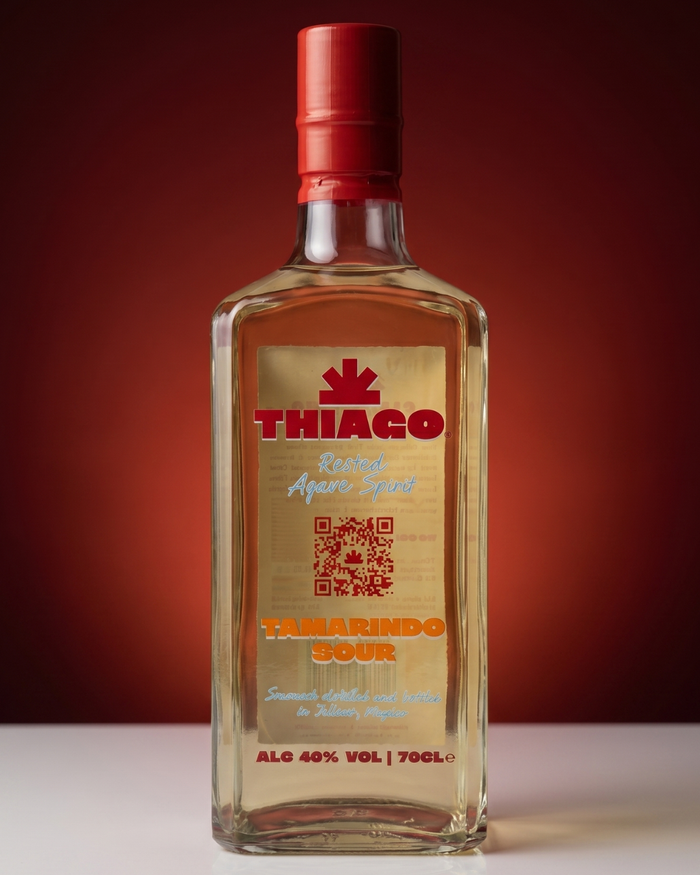
A good reposado does not need a grand occasion to show its character. Give it a proper glass, a little attention and a few unhurried minutes, and you will notice far more than heat. Learning how to taste reposado flavours is about separating the bright, mineral edge of Blue Agave from the soft influence of oak, then recognising how natural flavour can add dimension without burying the spirit beneath sweetness.
Reposado means rested. The tequila spends time in oak before bottling, picking up rounded notes that can suggest vanilla, caramel, baking spice, toasted wood or gentle nuttiness. But the best bottles still lead with agave. That balance is the point: lively Jalisco-grown tequila, smoothed by time in barrel, with enough structure to sip, mix or serve over ice without disappearing.
How to Taste Reposado Flavours Properly
Start with a clean, small glass. A stemmed tasting glass is ideal, but a wine glass works well because it gives the aromas space to gather. Avoid heavily scented candles, cooking smells and strongly perfumed hand cream. They will do more to shape your tasting than you think.
Pour a modest measure and look at it before you taste. Reposado can range from pale straw to deeper gold depending on its barrel time and cask history. Colour is a clue, not a scorecard. A darker spirit may have stronger oak influence, but it is not automatically more complex or better made.
Hold the glass against a neutral background, then give it one gentle swirl. Notice how the liquid moves down the side of the glass, but do not get too caught up in it. The real information is in the nose and palate.
Smell first, but do not rush it
Take your first smell from just above the rim rather than putting your nose deep into the glass. At 40% ABV, a forceful inhale can make alcohol the only thing you register. Keep your mouth slightly open and take two or three short, calm breaths.
Look first for the tequila's foundation: cooked agave. It may read as earthy, green, honeyed, peppery or lightly vegetal. Highland Jalisco tequila can also show a lifted fruitiness and a softer sweetness, though this should not feel syrupy. Then look for barrel notes such as vanilla pod, toasted coconut, butterscotch, cinnamon, dried fruit or oak spice.
If the reposado is naturally flavoured, ask a more useful question than simply, “Can I smell the flavour?” Ask whether the flavour sits with the agave. Black cherry, for example, should bring dark-fruit depth and a tart, ripe edge, not a confectionery cloud. Coffee should suggest roasted beans and cacao alongside the barrel, while vanilla should amplify the creamier side of reposado rather than turn it into dessert.
Taste in Three Stages
Take a small sip and let it travel across your tongue before swallowing. The first sip is partly a calibration sip, particularly if you have just moved from sparkling water or food. The second is where the details become clearer.
At the front of the palate, notice the arrival. Is it crisp, rounded, sweet-edged, peppery or bright? In the middle, the tequila should open up. This is where cooked agave, oak and any natural flavouring meet. At the finish, pay attention to what remains after the liquid has gone. A clean, lasting finish can carry warm spice, fruit skin, cocoa, dry oak or a gentle savouriness.
The simplest way to make sense of what you taste is to separate it into three layers:
- Agave character: cooked agave, green pepper, citrus peel, earth, honey and minerality.
- Barrel character: vanilla, caramel, toasted oak, baking spice, coconut and nuts.
- Flavour character: coffee, black cherry, tamarindo or other natural ingredients that build on the base spirit.
Give the finish the attention it deserves
A reposado can taste very different after you swallow. Some begin sweet and finish dry; others start with spice before opening into fruit. Notice how long the flavour lingers and whether it stays balanced. Heat alone is not a finish. A good finish has shape.
With naturally flavoured reposado, this is where quality is easiest to judge. Does the flavour fade gracefully into agave and oak, or does it hang around as blunt sweetness? A premium, zero-added-sugar expression should feel composed rather than sticky. The flavour can be bold, but the tequila should remain present from first aroma to final note.
Adjust Temperature and Dilution
Taste reposado neat at room temperature first. Very cold tequila closes down aroma, so you may miss the finer agave and barrel notes. Once you know the spirit neat, add one large cube of ice or a small splash of chilled water and taste again.
Dilution can reveal hidden details. Coffee notes may become more cocoa-led, black cherry may feel fresher, and oak may shift from caramelised to gently woody. The trade-off is intensity: too much water can flatten the finish, while no dilution at all can make a high-proof style feel more forceful than it really is.
For a social serve, a tall glass with premium soda water can be a smart test. It stretches the flavour without loading the drink with extra sweetness, and it tells you whether the reposado holds its identity in a simple mixed serve. If it still tastes like agave first, with flavour and oak following in clear layers, you are onto something worthwhile.
Train Your Palate Without Making It Serious
Tasting gets sharper through comparison, not complication. Try one unflavoured reposado beside a naturally flavoured expression and taste them slowly. You will quickly spot which notes come from the barrel and which are added through flavour. Then compare two flavoured styles: a dark, roasted profile such as coffee against a vivid fruit profile such as black cherry.
Keep plain water nearby and take breaks. Neutral crackers can help, but avoid strongly flavoured snacks while you are trying to assess the spirit. If you are tasting more than two or three pours, use smaller measures. A clear palate matters more than a large serve.
It also helps to write down your first reaction before reading a bottle description. Maybe you find tamarindo sour tangy and savoury rather than sweet. Maybe vanilla reads more like toasted oak and custard than cake. Your palate is not wrong because it does not match somebody else's notes. Flavour is personal; balance is the more useful measure.
What a Balanced Flavoured Reposado Tastes Like
The difference between a novelty bottle and a bottle worth returning to is proportion. A balanced flavoured reposado has a clear core of 100% Blue Agave tequila, a rounded oak frame and natural flavour that brings a fresh angle. It should be bold enough to enjoy neat, but flexible enough for a long serve or a precise cocktail.
That is the thinking behind Thiago Tequila: 40% ABV reposado from the highlands of Jalisco, enhanced with natural flavours, zero added sugar, no artificial additives and no colouring. The aim is not to disguise tequila. It is to give reposado a sharper, more contemporary direction.
If you are tasting at a party, festival or on holiday, keep the ritual simple. A 50ml mini is a useful way to explore a flavour without committing to a full bottle, and its size is hand-luggage friendly when packed within airline liquid rules. Sip it over ice, lengthen it with soda or build a quick cocktail when you have proper glassware and time.
The next time you pour reposado, pause before you mix. Find the agave, follow the oak, and see where the flavour lands. That small moment of attention turns a drink into a preference - and makes choosing your next bottle much more interesting.