Table of Contents
- What Drinking Tequila Neat Actually Means
- Tequila Glassware: The Physics Behind Aroma Concentration
- Tequila Serving Temperature: Room Temperature vs. Slightly Chilled
- Step-by-Step: How to Drink Tequila Neat Like You Mean It
- Tequila Tasting Notes: What to Look For in Blanco, Reposado and Añejo
- Palate Cleansing and the Cultural Role of Sangrita
- The Best Sipping Tequila Starts with 100% Agave
- Common Mistakes to Avoid When Drinking Tequila Neat
Last Updated: August 2, 2026
Most people who claim tequila is harsh have never tried drinking it properly. Knowing how to drink tequila neat is the fastest way to change that opinion. This guide covers every step: from choosing the right glass to understanding why room temperature matters. The difference between a rough, burning shot and a genuinely pleasurable sip comes down to technique, glassware, and starting with the right spirit.
Drinking tequila neat is not about tolerating ethanol. It's about removing every barrier between your palate and the spirit's actual character. A quality 100% agave tequila, served correctly, reveals layers of citrus, vanilla, earthy agave, and oak that a lime wedge and salt shaker would bury entirely.
What Drinking Tequila Neat Actually Means
Neat means the spirit is poured directly from the bottle into a glass, at room temperature, with no ice, no water, no mixers, and no chilling. Nothing is added. Nothing is diluted.
Neat vs. Straight Up vs. On the Rocks
These three terms describe genuinely different experiences:
- Neat: Spirit poured at room temperature, served as-is
- Straight up: Spirit chilled with ice in a shaker, then strained into a glass without ice. The liquid is cold; no ice is present at serving
- On the rocks: Spirit poured directly over ice cubes. Dilution and temperature drop happen continuously as you drink
Drinking tequila neat is the purest expression of the spirit. On the rocks introduces dilution, which softens the finish but flattens the aroma. Straight up chills without diluting, which suppresses volatile aromatic compounds before they reach your nose. Neat service eliminates both variables.
Why Neat Reveals What Other Methods Hide
Cold temperature suppresses aromatic volatility. According to The Scotch Whisky Research Institute's guidance on sensory analysis, chilling a spirit significantly reduces the release of lighter aromatic compounds, which are often the most expressive notes in a well-made tequila. Ice also introduces water progressively, meaning your last sip tastes nothing like your first. Neat service eliminates both problems.
Tequila Glassware: The Physics Behind Aroma Concentration
Glassware is not an affectation. The shape of a vessel directly controls how aromatic compounds concentrate before they reach your nose, and that changes what you taste.
Shot Glass vs. Stemmed or Fluted Glass
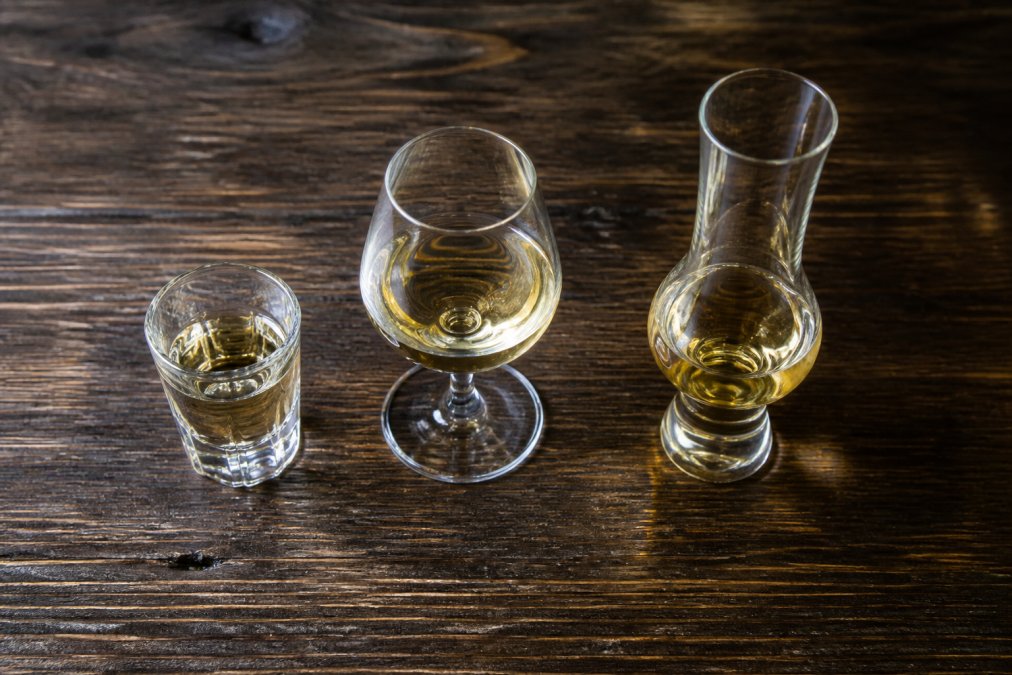
A standard shot glass has a wide, open rim. Aromatic compounds rise and immediately disperse into the surrounding air. A stemmed copita or fluted nosing glass narrows toward the rim, concentrating aromatic compounds in the upper bowl before they reach the opening. The result is a focused aromatic hit that primes your palate before the liquid even touches your tongue.
The same reposado tequila poured into a shot glass and a copita glass will smell and taste noticeably different, not because the liquid changed, but because the delivery mechanism changed.
Why the Shape of the Glass Changes What You Taste
Taste is largely olfactory. The aroma you perceive before and during a sip accounts for a substantial portion of the flavour experience. A glass that concentrates aroma effectively makes a spirit taste richer, more complex, and smoother.
For tequila neat, avoid wide-rimmed tumblers and traditional shot glasses. A Riedel tequila glass, a traditional Mexican copita, or a Glencairn-style whisky glass will all improve the experience meaningfully.
Tequila Serving Temperature: Room Temperature vs. Slightly Chilled
Room temperature, around 18-20°C, is better for tasting. Volatile aromatic compounds are most active at ambient temperature. Blanco tequilas express bright citrus and raw agave notes most vividly at room temperature. Reposado and añejo expressions show their full character at ambient temperature as well.
Slight chilling, around 10-12°C, softens the ethanol sensation and makes the spirit feel smoother on entry. The trade-off is reduced aromatic complexity. For casual sipping, that trade-off is often worthwhile.
Never serve a quality sipping tequila straight from the freezer. Extreme cold numbs the palate almost entirely and eliminates aroma.
Step-by-Step: How to Drink Tequila Neat Like You Mean It
Total time: 10-15 minutes per pour What you'll need: A stemmed copita or fluted glass, a quality 100% agave tequila, optionally a small glass of still water for palate cleansing
Step 1: Pour and Let It Breathe
Pour approximately 45ml into your glass. Do not fill it more than a third full; the empty space above the liquid is where aromas collect. Wait two to three minutes. This brief aeration period allows ethanol to dissipate slightly from the surface, softening the initial alcohol hit and allowing delicate aromatic compounds to come forward.
Step 2: Nose the Spirit Before You Sip
Hold the glass at chest height and bring it slowly toward your nose. Stop about 2-3cm from your nostrils. Breathe in slowly through your nose with your mouth slightly open. The first nosing will likely be dominated by ethanol. Set the glass down, wait thirty seconds, and nose again. The second pass is where the actual tasting notes appear: citrus peel, cooked agave, vanilla, pepper, or oak depending on the expression.
Step 3: Take a Small First Sip to Prime Your Palate
Take a small sip, roughly 5ml, and hold it on your tongue for three to four seconds before swallowing. Do not evaluate this sip. Its purpose is to prime your palate by coating it with the spirit and reducing the initial ethanol shock for subsequent sips.
Step 4: Sip Slowly and Assess the Finish
Take a proper second sip and pay attention in three stages: the entry, when the liquid first contacts your tongue; the mid-palate, as it spreads across your mouth; and the finish, the flavour that lingers after you swallow. A quality reposado tequila will typically show a warm, smooth entry, a mid-palate of vanilla and agave sweetness, and a finish that lasts 20-30 seconds with notes of oak and spice.
Tequila Tasting Notes: What to Look For in Blanco, Reposado and Añejo
Understanding tequila tasting notes by category helps you know what to look for.
| Tequila Type | Ageing | Typical Aroma Notes | Typical Palate Notes | Typical Finish |
|---|---|---|---|---|
| Blanco | Unaged (0-2 months) | Citrus, fresh agave, pepper | Bright, vegetal, clean | Short to medium, crisp |
| Reposado | 2-12 months in oak cask | Vanilla, caramel, agave | Balanced, smooth, warm | Medium, spiced oak |
| Añejo | 1-3 years in oak cask | Vanilla, dried fruit, oak | Rich, complex, rounded | Long, woody, warming |
Blanco is the purest expression of terroir and distillation. With no oak influence, every note comes from the agave plant itself. Expect bright citrus, raw agave, and a clean, assertive finish.
Reposado is where many drinkers find their preferred balance. The cask resting period softens the raw agave character and introduces vanilla and caramel notes from the wood. The result is a spirit that's complex enough to sip and appreciate, but approachable for those newer to neat spirits.
Añejo expressions lean toward the whisky end of the spectrum. Extended oak contact produces rich, layered notes of dried fruit, leather, and deep vanilla. The agave character is still present but subdued.
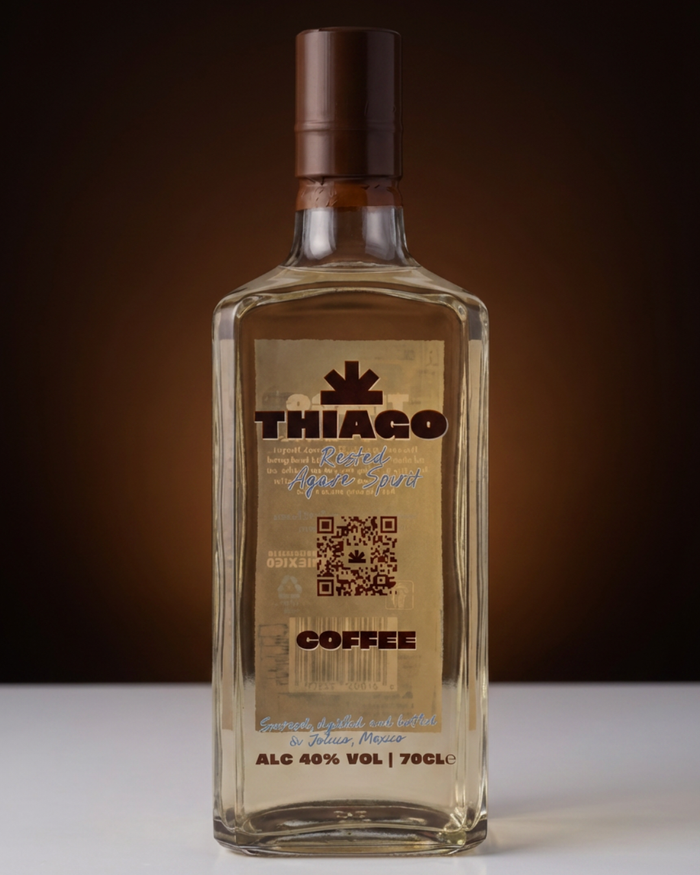
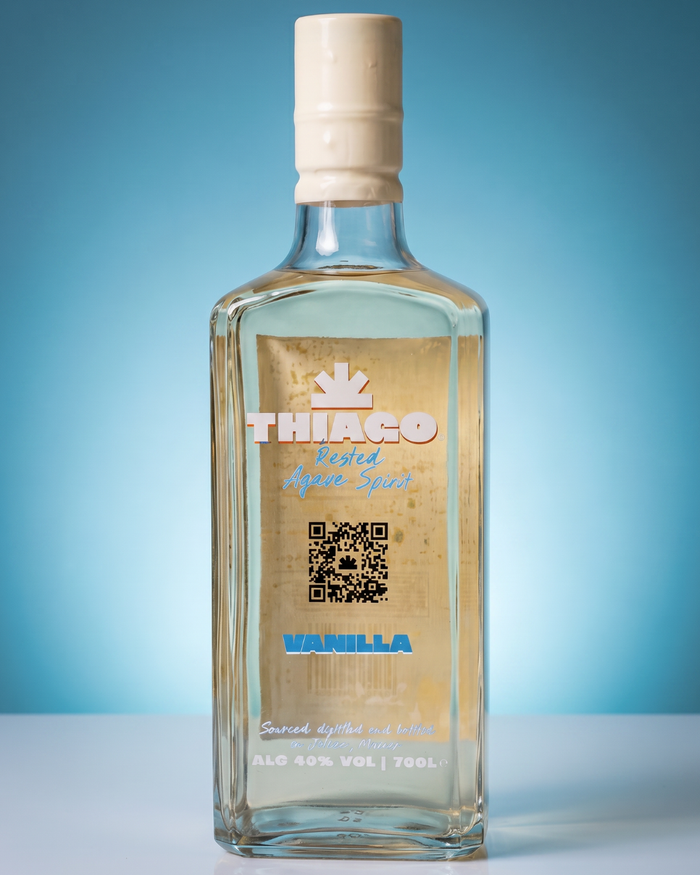
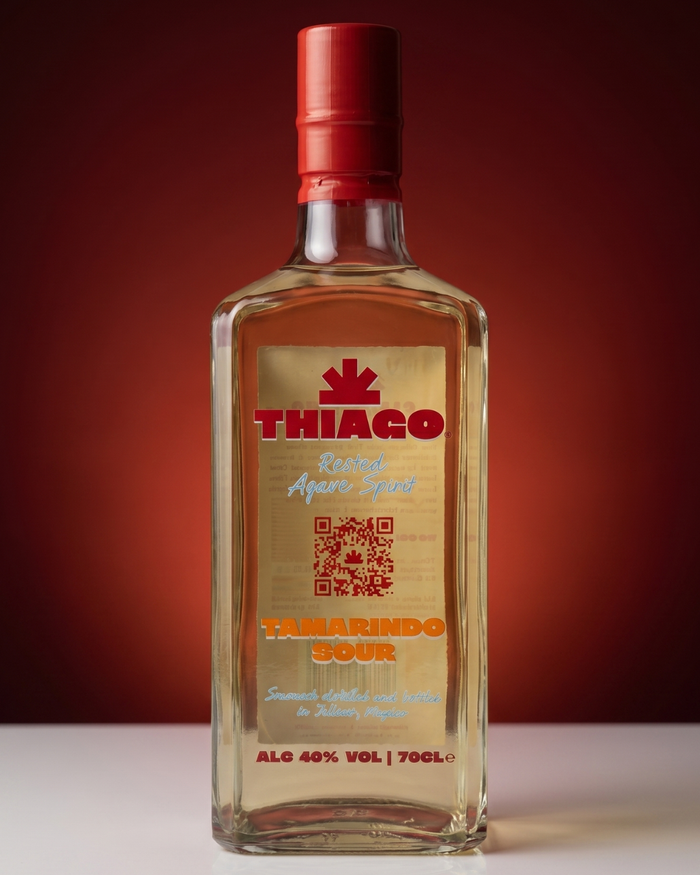
ThiagoTequilaCompany's reposado range is aged for six months in oak, sitting precisely in the sweet spot where agave vibrancy and oak-derived smoothness coexist.
Palate Cleansing and the Cultural Role of Sangrita
Palate cleansing is a fundamental part of the traditional Mexican tasting ritual and changes the experience entirely.
Sangrita is a traditional Mexican accompaniment to tequila, not a mixer but a separate sipping drink served alongside. A classic sangrita is made from tomato juice, orange juice, lime juice, and chilli, creating a savoury, acidic, spiced drink that cleanses the palate between sips of tequila. The contrast between the two is the point: the acidity of the sangrita resets your palate, allowing each sip of tequila to taste as fresh as the first.
According to the Consejo Regulador del Tequila's official guidance on tequila culture and service, the traditional way to drink tequila in the highlands of Jalisco has always been as a slow, sipped spirit rather than a shot.
A simple British-accessible version of sangrita: equal parts tomato juice and fresh orange juice, a squeeze of lime, a pinch of salt, and a few dashes of hot sauce. Serve in a small glass alongside your tequila and alternate sips.
Still water is the simplest palate cleanser. A sip of still, room-temperature water between pours removes residual ethanol from the palate without introducing temperature changes that would affect the next sip.
The Best Sipping Tequila Starts with 100% Agave
This is non-negotiable. The single most important decision you make about how to drink tequila neat starts before you even open the bottle.
100% agave tequila means the spirit is produced entirely from Blue Weber agave, with no additional fermentable sugars added during production. The alternative, often labelled simply as "tequila" without the 100% agave designation, is known as mixto, and it can contain up to 49% non-agave sugars. Mixto tequilas are responsible for the overwhelming majority of bad tequila experiences: the harsh burn, the synthetic sweetness, the crushing headache.
As documented in the Denomination of Origin Tequila regulations published by Mexico's Secretaría de Economía, only spirits produced in specific regions of Mexico, primarily Jalisco, and meeting strict production standards can be labelled as tequila.
A quality 100% agave reposado, sourced from the highlands of Jalisco where the red clay soil produces agave with higher sugar content and more complex flavour profiles, will taste fundamentally different from a mixto product at any price point. The smoothness isn't a marketing claim. It's the direct result of using a single, high-quality raw ingredient and allowing it to express itself through careful distillation and ageing.
ThiagoTequilaCompany sources, distils, and bottles exclusively in the Jalisco highlands, using 100% Blue Agave with no added sugar. The flavoured expressions in the range use real Mexican ingredients rather than syrups, which is why customers consistently describe the flavour as genuine rather than synthetic.
Common Mistakes to Avoid When Drinking Tequila Neat
The biggest mistake is treating a sipping tequila like a shot. Shooting a quality añejo or reposado is the equivalent of swallowing good wine without tasting it.
Here are the mistakes that most commonly undermine the experience:
- Using a shot glass. The open rim disperses aroma before it reaches your nose. Switch to a copita or a narrow-rimmed glass.
- Skipping the nosing step. Aroma accounts for most of what we perceive as flavour. Nosing the spirit before you sip is essential.
- Drinking too cold. Freezer-temperature tequila numbs the palate and eliminates aroma. Room temperature or very lightly chilled is correct.
- Choosing mixto over 100% agave. No technique compensates for a low-quality spirit. Start with 100% agave.
- Rushing the first sip. Your palate needs calibration before it can accurately assess a spirit.
- Ignoring the finish. The finish is where the quality of a spirit is most apparent. A smooth, lingering finish is the hallmark of good distillation and proper ageing.
The craft and tradition behind a well-made tequila deserve more than a grimace and a chaser. Slow down, use the right glass, and start with a spirit that was actually made to be sipped.
Choosing the right tequila and learning how to drink it properly are two sides of the same decision. If you've been burned by harsh, synthetic-tasting spirits before, the issue is almost certainly the product rather than the category. ThiagoTequilaCompany's 100% Blue Agave Reposado range, sourced and distilled in the highlands of Jalisco, flavoured with real Mexican ingredients and containing no added sugar, is built specifically for neat sipping and slow enjoyment. Try all three minis and find your preferred expression before committing to a full bottle.
Frequently Asked Questions
What is the best type of tequila to drink neat?
A 100% agave tequila is the only sensible choice for drinking neat. Mixto tequilas, which can contain up to 49% non-agave sugars, tend to produce harsher ethanol notes and a rougher finish. Among 100% agave expressions, reposado tequila is particularly well-suited to sipping neat: the six-month or longer rest in oak cask softens the raw agave character and adds vanilla and subtle oak notes without masking the terroir of the highlands or lowlands where it was produced.
Should tequila be chilled when drinking neat?
Room temperature is generally best for tasting tequila neat, because cold suppresses aroma and mutes the finish. Serving a spirit straight from the fridge closes down the volatile compounds that carry earthy, citrus, and vanilla notes before they reach your nose. A slight chill, around 14-16°C, is acceptable on a warm day and can reduce the perception of ethanol heat, but avoid ice unless you specifically want dilution. Let the bottle sit out for ten minutes if it has been stored in a cool cupboard.
What kind of glass should I use for sipping tequila neat?
A narrow-mouthed stemmed glass or a traditional copita concentrates aroma at the rim and channels it directly to your nose as you sip, which is critical for reading tequila tasting notes properly. A shot glass disperses aroma too quickly and encourages shooting rather than sipping. Holding a stemmed glass by the stem also prevents your hand from warming the spirit before you have had a chance to nose it. For tequila glassware, the copita or a small Glencairn-style glass are the most practical options available in the UK.
Do you add lime and salt when drinking tequila neat?
Lime and salt are associated with shooting low-quality tequila, not sipping it neat. The salt numbs your palate and the lime overwrites the spirit's natural flavour, which defeats the purpose of choosing a quality 100% agave tequila. If you want a traditional Mexican accompaniment, try sangrita instead: a small chaser of tomato, orange, and chilli that cleanses the palate between sips without masking the tequila's aroma, mouthfeel, or finish.
How do you properly taste tequila neat?
Pour roughly 30-40ml into a narrow stemmed glass and allow it to rest for two minutes so aeration can open up the aroma. Nose the glass gently with your mouth slightly open to avoid ethanol sting. Take a small first sip and let it coat your whole palate before swallowing; this primes your mouth for the second sip, which is where you will pick up the real tasting notes. Assess the finish: a quality reposado should linger with warmth rather than burn, showing oak, vanilla, or earthy agave notes.