A bottle can look premium, carry a high price, and still disappoint once it hits the glass. If you want to know how to choose sipping tequila, forget the theatre and focus on what actually delivers - agave quality, production standards, ageing, and whether the flavour feels clean, layered, and worth slowing down for.
Sipping tequila should reward attention. It is not about harshness dressed up as character, and it is not about sweetness pretending to be complexity. A good bottle has presence, texture, and a finish that keeps evolving after each sip. That is what separates a tequila you tolerate from one you genuinely want to pour again.
How to choose sipping tequila starts with agave
The fastest quality check is also the most important one. Look for 100% Blue Agave on the label. If that statement is not there, the spirit may include other sugars, and that usually means a less precise, less expressive result in the glass.
For sipping, agave should be the star. You want to taste cooked agave, natural sweetness, earth, pepper, citrus, herbs, or oak depending on style. When the base spirit is built properly, those notes feel integrated rather than forced. That is especially important if you enjoy tequila with a contemporary flavour profile. The spirit still needs to taste like tequila first.
Origin matters too. Tequila made in Jalisco and authorised regions of Mexico carries a legal framework, but within that, terroir still shows up. Highland agave often brings a brighter, fruit-forward profile with a softer edge, while lowland styles can lean more savoury, mineral, and peppery. Neither is automatically better. It depends on whether you want elegance and lift or something more assertive.
Pick the right style for the way you actually drink
A lot of people shop for sipping tequila as if there is one correct answer. There is not. The right bottle depends on what flavours you naturally reach for in other spirits.
Blanco is the purest expression of agave and distillation. It tends to show more freshness, pepper, citrus, herbs, and minerality. If you like a cleaner, sharper profile with real energy, blanco can be a brilliant sipping choice. It is often underestimated because people assume aged means better. Not necessarily.
Reposado sits in a sweet spot for many drinkers. Rested in oak, it keeps the identity of agave but gains roundness, spice, vanilla, and a more polished texture. For sipping, reposado is often the easiest style to love because it offers complexity without losing brightness. It feels confident rather than heavy.
Añejo goes further into oak influence. Expect richer notes like caramel, baking spice, dried fruit, and toasted wood. For whisky or rum drinkers moving into tequila, añejo can feel more familiar. The trade-off is that too much barrel can mute the agave. A good añejo balances both.
Extra añejo pushes ageing even further. At its best, it is luxurious and layered. At its worst, it drifts so far into oak that it could be mistaken for another dark spirit. If your goal is sipping tequila rather than simply sipping something expensive, pay attention to whether the agave is still visible.
Ignore hype and read the label properly
Packaging sells bottles, but labels tell you more than marketing ever will. Age statement, ABV, production details, and ingredient transparency all matter. If a brand is confident in what is in the bottle, it usually makes that easy to understand.
ABV is worth noticing. Many tequilas sit at 38% to 40% ABV in the UK market. For sipping, 40% ABV often gives a fuller mouthfeel and better structure. It can carry flavour more effectively, especially in reposado expressions, without tipping into aggression.
Then there is the additives question. This is where experienced drinkers get more selective. Some tequilas use additives to create a softer, sweeter, more uniform profile. That can appeal at first sip, but it often comes at the expense of authenticity and finish. If the vanilla tastes oddly confectionery, the sweetness feels sticky, or the mouthfeel seems unnaturally glossy, you may be tasting manipulation rather than craftsmanship.
Cleaner-label spirits have a different kind of confidence. They do not need to over-correct. Natural flavour, proper texture, and a balanced finish speak for themselves. That is one reason modern premium drinkers are paying closer attention to zero added sugar and no artificial additives. It is not a wellness slogan. It is a quality cue.
What good sipping tequila should taste and feel like
The nose should be clear and inviting, not sharp for the sake of it. In a quality blanco, that might mean roasted agave, citrus peel, white pepper, and green herbs. In a reposado, it could open into vanilla, soft oak, cocoa, or stone fruit while keeping the agave alive underneath.
The palate should move. First impression matters, but development matters more. A well-made sipping tequila changes as you hold it in the mouth. You might get agave up front, spice in the middle, then a dry mineral edge or a flash of fruit on the finish. That progression is what makes a second sip interesting.
Texture is just as important as flavour. Thin tequila disappears too quickly. Overly sweet tequila can feel cloying and heavy. The best bottles have weight without syrup, and warmth without burn. They coat the palate, then leave cleanly.
Finish is where quality tends to expose itself. If the aftertaste is short, raw, or dominated by sweetness, it is probably not a serious sipping bottle. If the finish is long, balanced, and keeps revealing oak, agave, spice, or fruit, you are in better territory.
How to choose sipping tequila if you like flavour
Flavour-led tequila is no longer a side category for people who do not like tequila. Done properly, it can be one of the most interesting parts of the premium market. The key word is properly.
If you enjoy flavoured expressions, look at what is doing the flavouring and what spirit it is built on. A tequila-based product made from 100% Blue Agave Reposado, kept at 40% ABV, and enhanced with natural flavour has a very different profile from a low-strength, sugar-heavy novelty bottle. One is built for actual drinking. The other is built for instant impact and very little else.
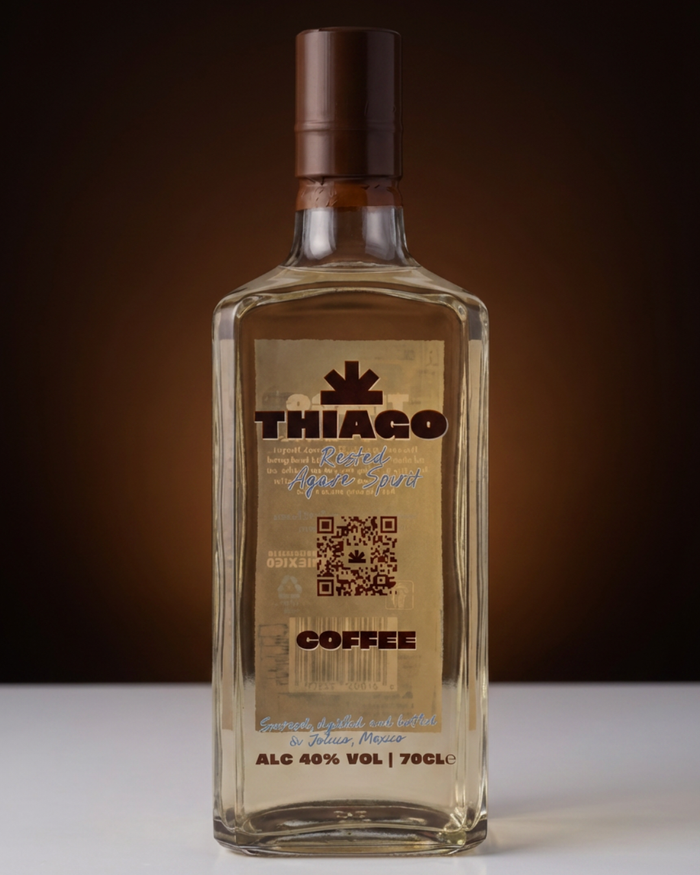
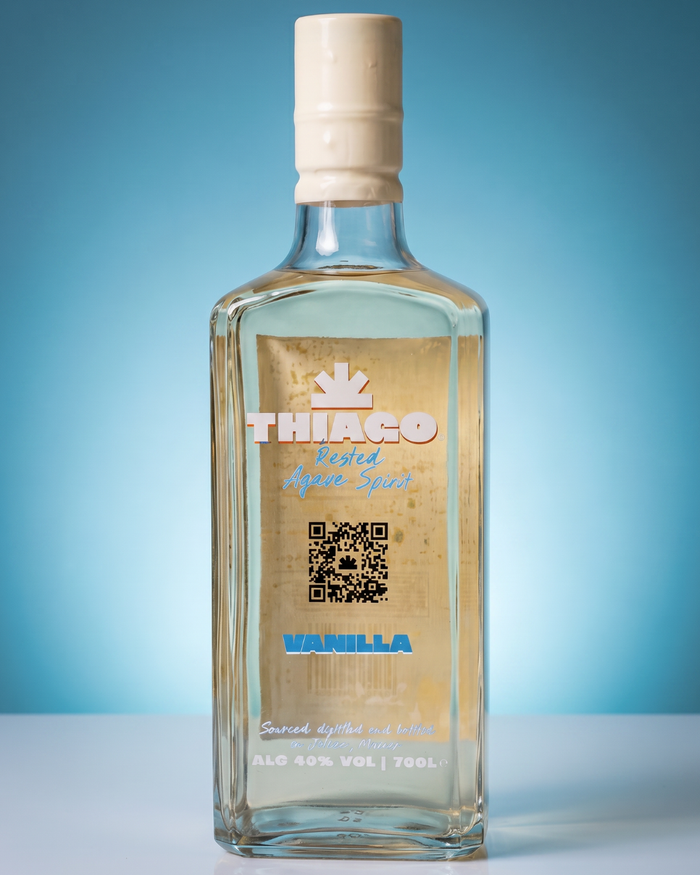
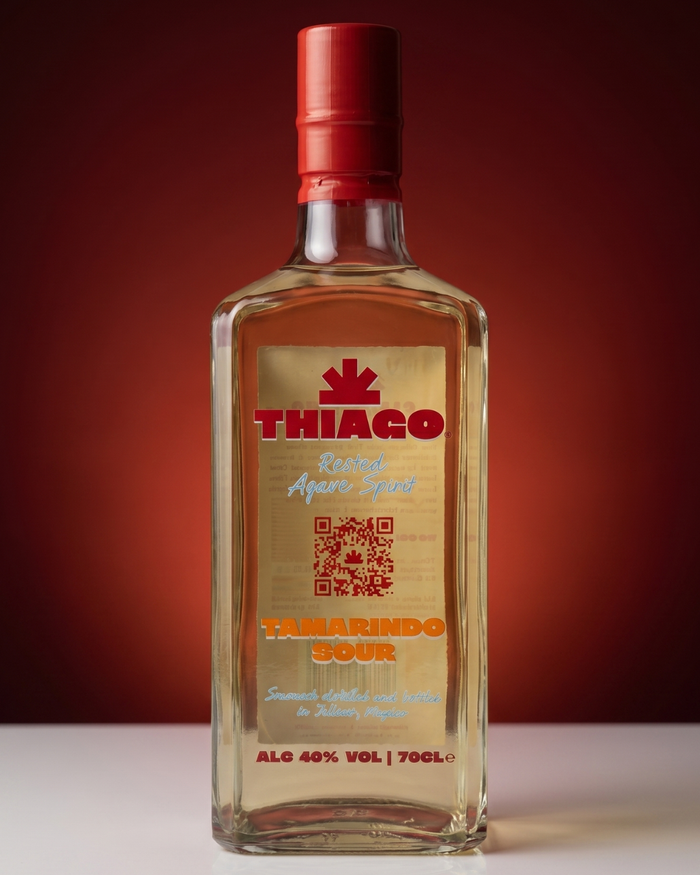
The best contemporary flavour profiles do not smother the tequila. They frame it. Coffee should add roast and depth, not bitterness. Vanilla should bring warmth, not a milkshake note. Black cherry should feel dark and ripe, not artificial. Tamarindo should sharpen the edges with sweet-sour tension, not tip into syrup. That balance is where modern premium tequila gets interesting.
This is exactly why some drinkers are moving beyond the old divide between traditional and flavoured. The smarter question is whether the bottle is authentic, clean, and bold enough to enjoy neat. If the answer is yes, flavour becomes an asset rather than a compromise.
Price helps, but it is not the decider
Cheap tequila rarely makes a great sipper, but high price does not guarantee quality either. Some of the most expensive bottles are selling scarcity, packaging, or celebrity cachet more than what is actually in the glass.
A better approach is to think in terms of value. Are you paying for proper agave sourcing, careful ageing, authentic Mexican production, and a flavour profile with depth? Or are you paying for a heavy bottle and a luxury story? Premium should mean substance.
If you are buying for home, it also helps to think about versatility. A strong sipping tequila should still work in a simple serve when you want something longer or lighter. That flexibility makes a bottle feel like a better investment. It is one reason reposado remains such a strong category - elegant enough to sip, but adaptable enough for a social setting.
A practical way to choose your bottle
Start by deciding whether you want pure agave clarity or a little oak influence. If you like brighter, fresher spirits, go blanco. If you want more roundness and a polished finish, go reposado. If you usually drink darker aged spirits, try añejo, but make sure the agave still leads.
Next, check the label for 100% Blue Agave, sensible ABV, and signs of ingredient transparency. Then trust your own palate over category snobbery. Some drinkers want mineral, peppery and dry. Others want softer spice, vanilla, and fruit. Neither camp is wrong.
And if you are exploring naturally flavoured options, choose bottles that still show discipline - authentic tequila at the core, no syrupy profile, no artificial shortcuts, and enough structure to stand on their own. Thiago Tequila sits confidently in that lane, proving that bold flavour and tequila integrity can share the same glass.
The best sipping tequila is the one that makes you slow down, pay attention, and pour another measure because the flavour earned it.