Last Updated: October 29, 2026
Quick Summary
Balancing citrus in tequila cocktails starts with a 3:2:1 build of tequila, fresh citrus and sweetener, then tasting and adjusting one element at a time. Fresh juice and tequila style shift the balance, so pull citrus back for reposado and add more for higher-proof spirits.
- Build to the ratio, taste a small sample, then adjust one element at a time in small increments.
- For a single serve, 50ml tequila, 35ml fresh citrus and 15ml sweetener lands close to the classic build.
- Lime is high in acid and low in sugar, making it the default acid for agave-forward sours.
- Reduce citrus by around 5ml in a 50ml build when using a rounder reposado instead of a blanco.
- Adding sweetener to fix a sour drink is the most common mistake; the real issue is usually too little fresh citrus.
Table of Contents
- Why Citrus Makes or Breaks a Tequila Cocktail
- Tequila Cocktail Ratios That Actually Work
- How Lemon, Lime, Grapefruit and Orange Differ
- Fresh Citrus Juice for Cocktails: Why It Matters
- How to Make a Balanced Margarita
- How to Fix a Sour Cocktail Without Starting Again
- Matching Citrus to Your Tequila Style and Proof
- Build Your Next Round With Thiago Minis
- Frequently Asked Questions
Why Citrus Makes or Breaks a Tequila Cocktail
Citrus in tequila is the backbone of the cocktail. Get it right and the agave sings; get it wrong and the drink can taste thin or flat.
Balancing citrus in tequila cocktails comes down to ratios, fresh juice and a little tasting. Below, we break down the numbers and fixes you can use tonight, including the troubleshooting most guides skip.
Tequila Cocktail Ratios That Actually Work
A ratio is a starting point, not a rule. A common starting point is 3 parts tequila, 2 parts citrus, 1 part sweetener, which keeps body, lift and roundness in proportion.
Tequila gives body and agave depth. Citrus gives zing and cuts through the spirit. Sweetener softens the edges and carries the flavour. Change one number and you change the whole drink: too much citrus turns it sharp, too much sweetener turns it syrupy.
Ratios by drink style and serving size
Different serves need different builds. A highball has more mixer, so the citrus load changes. A spritz needs less sweetener because soda does the lifting.
| Drink style | Tequila | Citrus | Sweetener | Finish |
|---|---|---|---|---|
| Margarita | 3 parts | 2 parts | 1 part | Shake, strain |
| Paloma highball | 2 parts | 1 part | 1 part | Top with soda |
| Sour-style spritz | 2 parts | 1 part | 0.5 part | Top with soda |
| Neat sipper with a twist | 50ml | 1 dash | none | Stir, express zest |
For a single serve, 50ml tequila, 35ml fresh citrus and 15ml sweetener lands close to the classic build.
The tasting method: build, taste, adjust
A ratio gets you close; tasting gets you right. The method is simple and repeatable.
- Build to the ratio in the shaker with ice, using fresh juice.
- Shake and strain a small taste into a spoon or a small glass before you commit the whole serve.
- Name what is off. Too sharp? Too sweet? Too strong? Too flat? Naming the fault tells you which lever to pull.
- Adjust one element at a time, in small increments, around 5ml of citrus or sweetener, 10ml of tequila.
- Re-taste. If it is close, stop. If not, adjust again.
Change one thing at a time. Add citrus and sweetener together and you will not know which one fixed it, and you will overshoot next time.
Adjusting for fresh juice variation
The same lime can vary in acidity from week to week. Season, ripeness and variety all shift the balance, so a recipe that worked last month might taste sharper today. The fix is a taste check before you build, not a new recipe.
- Juice tastes sharp today? Pull the citrus back by around 5ml and taste before adding more sweetener.
- Juice tastes mellow or sweet? Keep the citrus volume and reduce sweetener slightly, or add a squeeze more citrus to restore the lift.
- Juice tastes dull or cooked? It is past its best. Squeeze fresh rather than compensate with sugar.
Adjusting for tequila style and strength
Tequila style and proof change how much citrus a drink needs. A blanco is bright and peppery, so it stands up to sharp lime. A reposado is rounder and more mellow, so it needs a little less acid to stay balanced.
- Blanco: keep the full citrus load; the spirit's brightness meets it head-on.
- Reposado: reduce citrus slightly, around 5ml in a 50ml build, and taste.
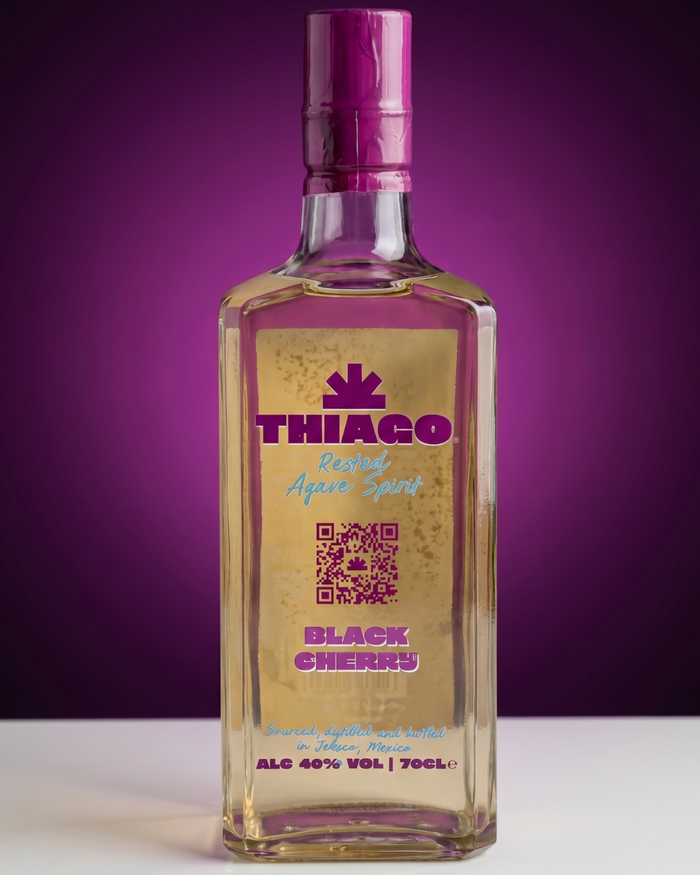
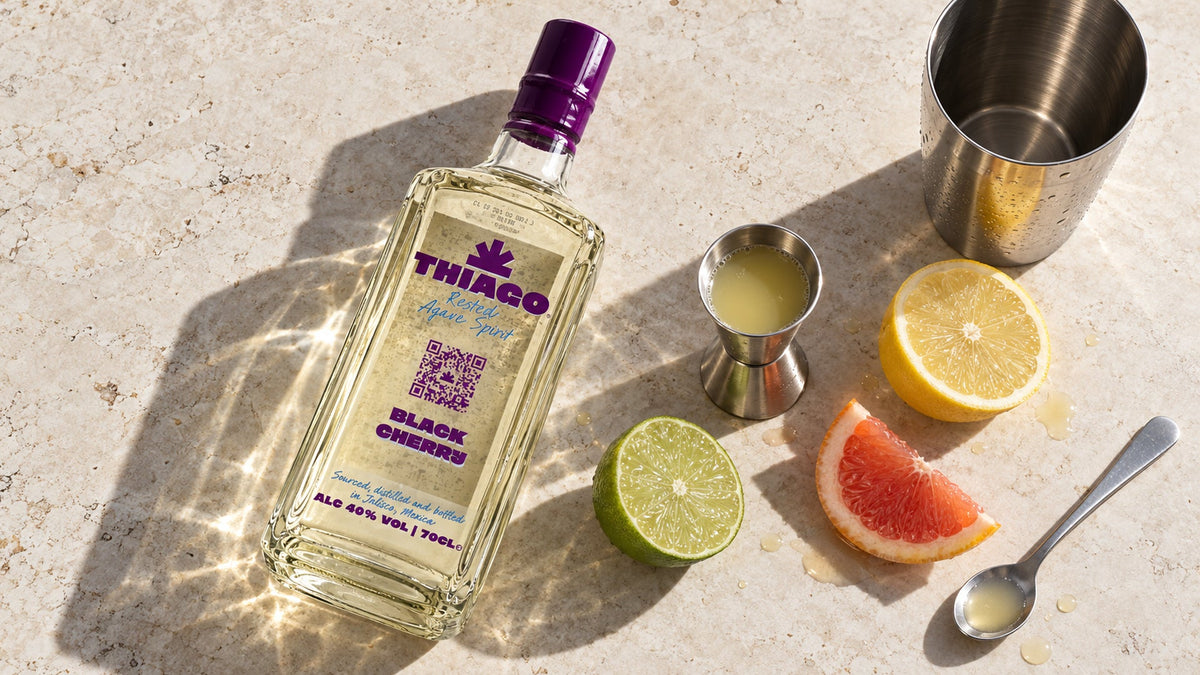
- Flavoured reposado: match the citrus to the flavour, lime with Black Cherry, a little orange with Vanilla, and pull sweetener back, because the flavour already carries roundness.
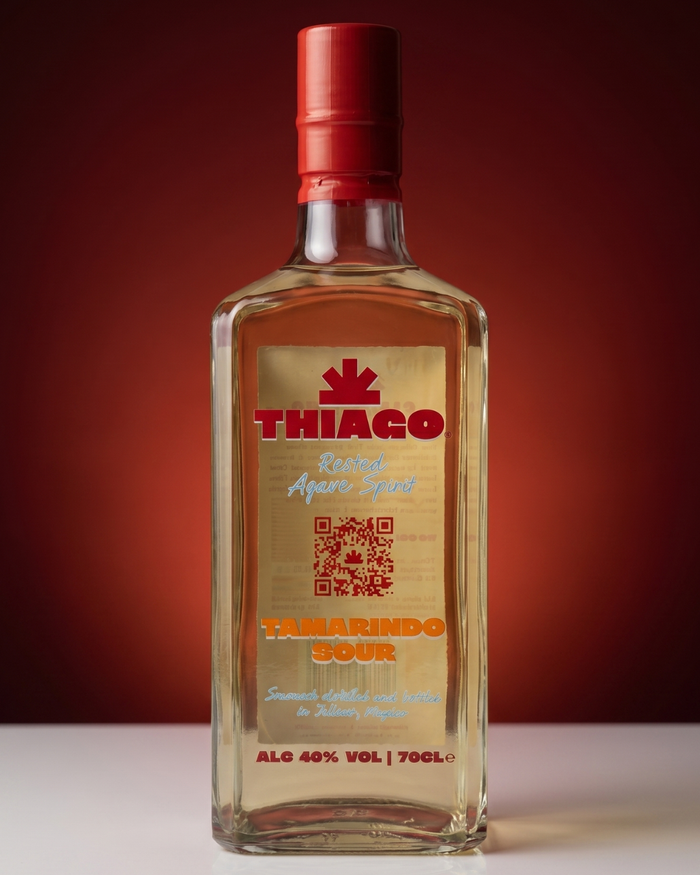
That is the whole method: start from a ratio, taste, adjust one lever, re-taste. Try it with our Tamarindo Sour, which already carries a tangy edge, build it to the ratio, taste, and pull the lime back to see the method in action.

How Lemon, Lime, Grapefruit and Orange Differ
Most guides tell you lime goes in a Margarita and grapefruit goes in a Paloma. That is pairing, not balancing. To balance citrus properly you need to know how each fruit behaves on three axes: acidity, sugar and bitterness.
Acidity gives the lift and cuts the agave. Sugar rounds the edges. Bitterness adds grown-up depth and length. Every citrus sits somewhere different on that map, which is why swapping one for another changes the drink more than most people expect.
The citrus comparison at a glance
| Citrus | Acidity | Sugar | Bitterness | Best job in a tequila drink |
|---|---|---|---|---|
| Lime | High | Low | Low-medium (zest is bitter) | The default acid for Margaritas and agave-forward sours |
| Lemon | High | Low | Low | A cleaner, sharper lift when you want brightness over aroma |
| Grapefruit | Medium | Low-medium | Medium-high | Highballs and bitter, grown-up serves; matches agave well |
| Orange | Low | High | Low | A supporting note that rounds and sweetens, never the main acid |
Read that table as a set of trade-offs, not a ranking. Lime is the workhorse: high acid, low sugar, so it lifts a drink without sweetening it. Lemon does a similar job with a straighter, more floral edge. Grapefruit brings bitterness, which works well against the roasted, peppery notes in agave. Orange is the outlier, low acid, high sugar, so it softens rather than sharpens and cannot carry the acid load alone.
How to substitute one citrus for another
The practical question is always: if I swap, how much do I use? Substitute by acidity first, then adjust sweetness to taste.
- Lime to lemon: use roughly the same volume, then taste. Lemon often reads a touch sharper and more floral, so you may pull back by around 5ml in a 50ml build.
- Lime to grapefruit: grapefruit is less acidic and more bitter, so you usually need more volume to get the same lift, start with about 1.25 times the lime volume and taste. Expect the bitterness to lengthen the finish.
- Lime to orange: do not do a straight swap. Orange is low in acid and high in sugar, so a 1:1 substitution flattens the drink. Use orange as a supporting note alongside lime, not as the main acid.
Why this matters for flavoured reposado
Citrus choice is not just about acid. It is about echo. A flavoured reposado already carries a defined note, so the citrus should either echo it or contrast it deliberately.
Choose the fruit for the role you need it to play, lift, roundness or bitterness, then adjust volume and sweetener by taste. Try it in a Black Cherry Margarita and you will feel how the right citrus keeps a flavoured reposado balanced rather than cloying.
Thiago Tamarindo Sour Tequila – 70cl →

Fresh Citrus Juice for Cocktails: Why It Matters
Fresh citrus juice for cocktails is not a nice-to-have. It is the difference between a drink that tastes alive and one that tastes like a bottle. Squeezed-to-order juice holds bright oils and clean acidity; carton juice loses both and often carries a dull, cooked note.
A few habits that help:
- Squeeze to order where you can
- Roll the fruit on the counter before cutting to release more juice
- Add a strip of zest to the shaker for aroma and oil
How to Make a Balanced Margarita
A balanced Margarita starts with the 3:2:1 build and fresh lime juice. Add 50ml tequila, 35ml fresh lime and 15ml sweetener to a shaker with ice.
The tequila you choose changes the drink. Try it in a Black Cherry Margarita and taste the difference a flavoured reposado makes.
For the finish, a clean citrus twist is the way to go. If you want ideas for dressing the glass, this guide to tequila cocktail garnish ideas covers the details.
How to Fix a Sour Cocktail Without Starting Again
An unbalanced sour is almost always a ratio problem, and you can fix it in the glass. Taste first, then adjust one element at a time.
- Too sour? Add sweetener in small dashes, around 5ml at a time, and stir.
- Too sweet? Add fresh citrus in 5ml dashes until the zing returns.
- Too strong or harsh? Add a splash of soda or a little more citrus to soften it.
- Too weak or watery? Add 10ml more tequila and re-taste.
- Flat or dull? Add a strip of zest or a dash of fresh juice for lift.
Change one thing, taste, then decide. For a deeper look at building balanced, lower-sugar drinks, see our guide on how to build low sugar cocktails that deliver.
Watch out: adding sweetener to fix a sour drink is the most common mistake.
Matching Citrus to Your Tequila Style and Proof
Here is how we match them:
- Blanco: pair with lime or lemon for a crisp, zesty highball
- Reposado: pair with lime and a touch of grapefruit for depth
- Flavoured reposado: pair with citrus that echoes the flavour, like lime with Black Cherry or orange with Vanilla
Thiago Tamarindo Sour already carries a tangy edge, so it needs less added citrus than a plain reposado. Build it into a Margarita and you can pull the lime back. If you are unsure which style suits your drink, this guide on which tequila suits cocktails walks through the match.
Build Your Next Round With Thiago Minis
Getting the citrus right is easier when the tequila is already balanced. Thiago is 100% Blue Agave Reposado Tequila with natural Mexican flavours. 100% sourced, distilled and bottled in the Highlands of Jalisco at 40% ABV with zero added sugar.
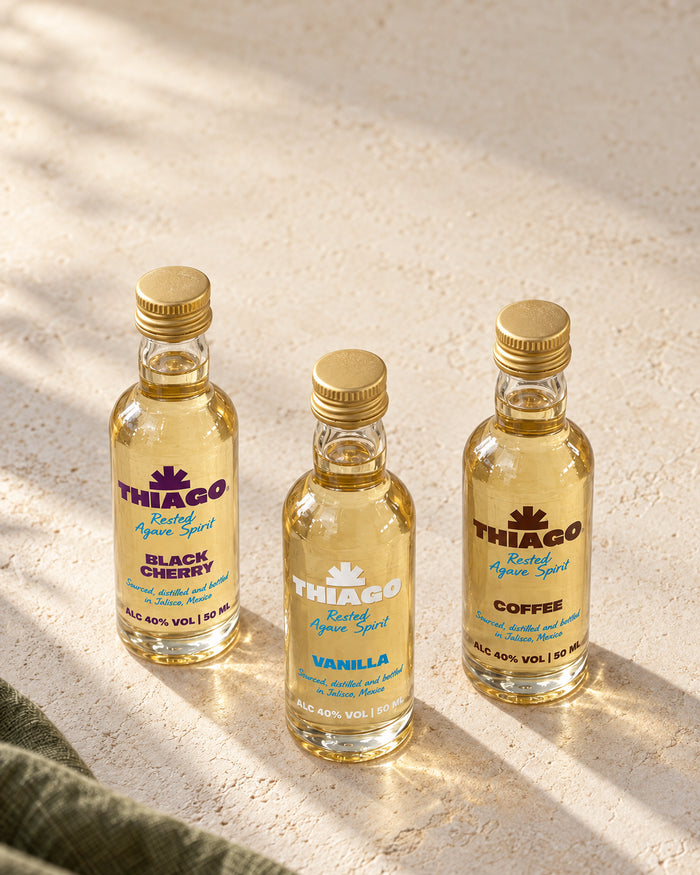
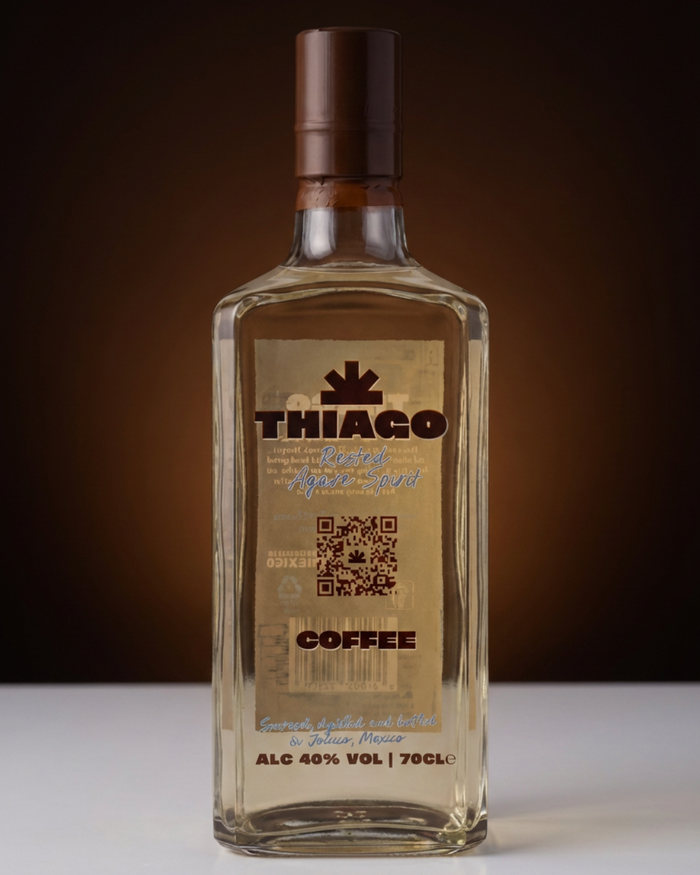
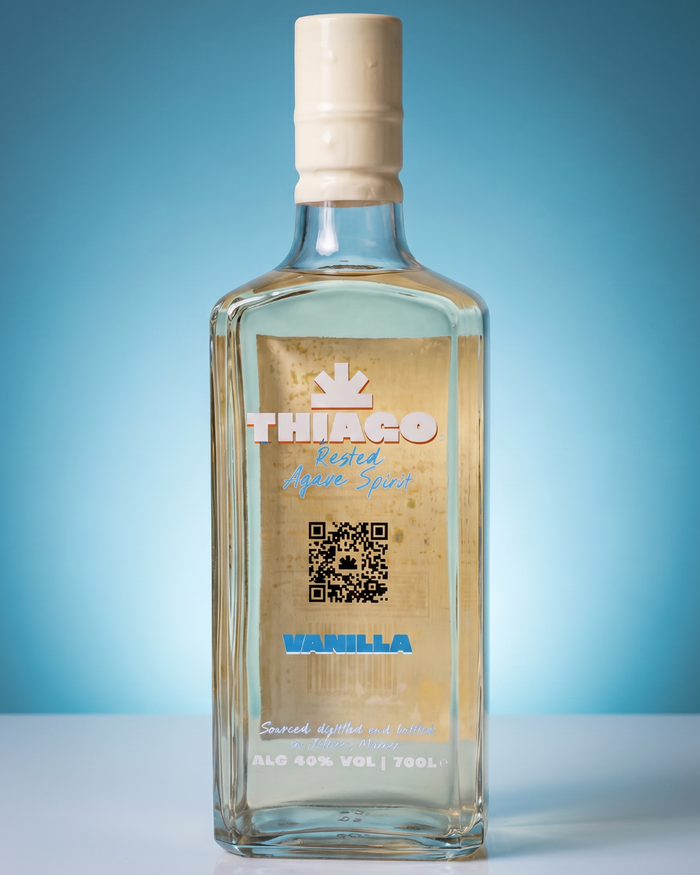
For a round that travels well, the Thiago Minis 3 Pack gives you three 50ml bottles: Coffee, Vanilla and Black Cherry. The Tamarindo Sour brings a lively tang that pairs beautifully with lime.
Please sip responsibly. For guidance on drinking, visit drinkaware.co.uk.
Frequently Asked Questions
Is tequila better with lime or lemon?
Lime is the classic partner because its sharp, aromatic acidity cuts through agave and lifts a Margarita or Paloma. Lemon brings a rounder, softer tartness that suits reposado and flavoured tequilas, especially when you want the spirit's character to stay forward. Try both in a 3:2:1 build and taste side by side. If lime feels too aggressive, swap half of it for lemon rather than cutting citrus altogether, and keep your sweetener modest so the balance stays bright.
How much citrus should you add to a tequila cocktail?
Start with two parts citrus to three parts tequila, plus one part sweetener, then adjust by taste. For a 50ml pour of Thiago reposado, that means roughly 35ml fresh juice and 15ml syrup. Highball serves built over ice and topped with soda need a little more citrus, closer to a 2:1:1 ratio, because dilution softens the acidity. Always taste after stirring or shaking and before you add garnish, since citrus oils change the finish.
How do you fix a tequila cocktail that tastes too sour?
Add sweetener in small increments, about 5ml at a time, and stir before tasting again. If the drink still feels thin, add a splash more tequila rather than more sugar, because the spirit gives body that syrup alone cannot. For a 50ml measure, 5ml of simple syrup usually corrects an over-citrus build without pushing the drink into dessert territory.
Can you use lemon instead of lime in a Margarita?
Yes, and it makes a softer, more rounded drink. Lemon's acidity reads gentler than lime's, so it pairs well with reposado tequila and with flavoured expressions such as Thiago Black Cherry, where you want the fruit to stay visible. Keep the same 3:2:1 ratio as your starting point, use freshly squeezed juice rather than bottled, and taste before adding extra syrup. A lemon Margarita often needs a touch less sweetener than a lime version.
Balancing citrus in tequila cocktails is a skill you build with practice, one taste at a time. Start with the 3:2:1 build, use fresh juice and adjust in the glass. If you want a tequila that gives your citrus a clean, balanced base, get started with Thiago and try all three minis.