Table of Contents
- Why Authentic Mexican Tequila Starts With the Denomination of Origin
- How to Identify Authentic Tequila: A Label-by-Label Checklist
- 100% Agave Tequila vs Mixto: What the Number on the Bottle Tells You
- Reposado Tequila Meaning: What Six Months in Oak Actually Does
- Tequila Versus Mezcal: Two Agave Spirits, Two Different Processes
- From Harvest to Bottle: How Craft Tequila Is Actually Made
- How to Choose, Serve and Taste Authentic Mexican Tequila
- Frequently Asked Questions
Last Updated: October 12, 2026
Why Authentic Mexican Tequila Starts With the Denomination of Origin
Authentic Mexican tequila is made only from blue agave within a protected region of Mexico and certified under a denomination of origin. The agave must be grown, the spirit distilled and the bottle filled inside a defined area, most of it in Jalisco, and the Consejo Regulador del Tequila (CRT) polices that standard. At Thiago, we treat the denomination of origin as the starting point for every buying decision.
How to Identify Authentic Tequila: A Label-by-Label Checklist
The fastest way to identify authentic tequila is to check four things on the label: the agave statement, the NOM number, the CRT certification and the ageing category. Get those right and you have filtered out almost every imitation.
The Four Things Every Genuine Label Shows
- The agave statement. Look for "100% de agave" or "100% agave". If it says "mixto", the spirit contains other sugars alongside agave.
- The NOM number. This four-digit code identifies the distillery that produced the bottle and can be checked against official records.
- The CRT certification mark. The Consejo Regulador del Tequila mark confirms the bottle meets the denomination of origin requirements.
- The ageing category. Blanco, reposado, añejo or extra añejo tells you how long the spirit rested in oak.
100% Agave Tequila vs Mixto: What the Number on the Bottle Tells You
100% agave tequila is made entirely from blue agave sugars, while mixto blends agave with other sugars, usually from cane. That difference drives flavour and texture: a 100% agave bottle tastes agave-forward, with the vegetal, peppery character of the plant itself, while a mixto can taste thinner and sweeter. If the label does not state "100% de agave" clearly, assume it is a mixto.
Reposado Tequila Meaning: What Six Months in Oak Actually Does
Reposado tequila meaning comes down to rest: it is aged in oak for a minimum of two months, and "reposado" simply means "rested". Six months in white oak, the period we use at Thiago, mellows the raw edges of a blanco without burying the agave, adding colour, body and a rounded texture. That balance makes reposado the most versatile category for sipping and cocktails.
Tequila Versus Mezcal: Two Agave Spirits, Two Different Processes
Tequila and mezcal are both agave spirits, both protected by denominations of origin, but they are governed separately and made differently. Tequila must be produced from blue agave within its defined region, most of it in Jalisco, meeting standards enforced through the Consejo Regulador del Tequila and the NOM system. Mezcal has its own denomination of origin and a much wider producing area. The two are not interchangeable.
Where the Difference Actually Comes From
The clearest split is agave variety. Tequila is restricted to one species, Agave tequilana Weber, blue variety, while mezcal can be made from dozens, espadín is the most widely planted, but tobalá, tobaziche and madrecuixe also appear in small-batch bottlings.
The second split is cooking. Tequila producers cook agave in brick ovens, stone-lined hornos or autoclaves, producing roasted, caramelised and vegetal notes without smoke.
How the Production Paths Diverge
| Stage | Tequila | Mezcal |
|---|---|---|
| Agave variety | Blue agave only | Many species permitted |
| Cooking | Brick oven, horno or autoclave | Underground pit with wood fire |
| Milling | Tahona, roller mill, screw press or diffuser | Often tahona or mechanical mill |
| Fermentation | Open vats or stainless steel | Often open vats, sometimes with wild yeast |
| Distillation | Usually double, copper pot or column stills | Often small copper pot stills, sometimes single |
| Ageing categories | Blanco, reposado, añejo, extra añejo | Joven, reposado, añejo (ageing less common) |
A few practical points follow. Tequila's ageing categories are tightly defined, so a reposado label tells you the spirit rested in oak for at least two months. Mezcal is more often bottled joven, unaged, which is why smoke and agave character sit further forward. And because mezcal permits so many agave varieties, two bottles from the same producer can taste completely different.
What This Means When You Are Choosing
Neither spirit is better. Tequila tends to be cleaner, more agave-forward and more consistent across bottles, which makes it easier to build a reliable serve around. Mezcal tends to be earthier, smokier and more variable, part of its appeal, part of its unpredictability.
If you are new to agave spirits, start with a well-made reposado tequila and learn what blue agave tastes like without smoke in the picture. Our own range is built entirely around blue agave reposado, so the agave character stays legible from bottle to bottle, see the full line-up on the Thiago Tequila collection.
Please drink responsibly. For guidance on alcohol and your health, see Drinkaware.
From Harvest to Bottle: How Craft Tequila Is Actually Made
Craft tequila starts long before the distillery. Blue agave, Agave tequilana Weber, blue variety, is a slow crop. Most plants are harvested between six and eight years old, and only the piña, the heart of the plant, goes into production.
That harvest cycle matters for authenticity. Agave is not a fast rotation crop, so supply moves in long waves: when planting falls behind demand, prices for mature piñas climb and the pressure to harvest early increases.
The Five Stages That Shape the Bottle
1. Cooking. The trimmed piñas are cooked to convert stored inulin into fermentable sugars.
2. Milling and extraction. Cooked agave is crushed to release its juice. A tahona, the large stone wheel still used by traditional producers, crushes the fibres gently.
3. Fermentation. The extracted sugars are fermented, traditionally in open wooden vats and increasingly in stainless steel.
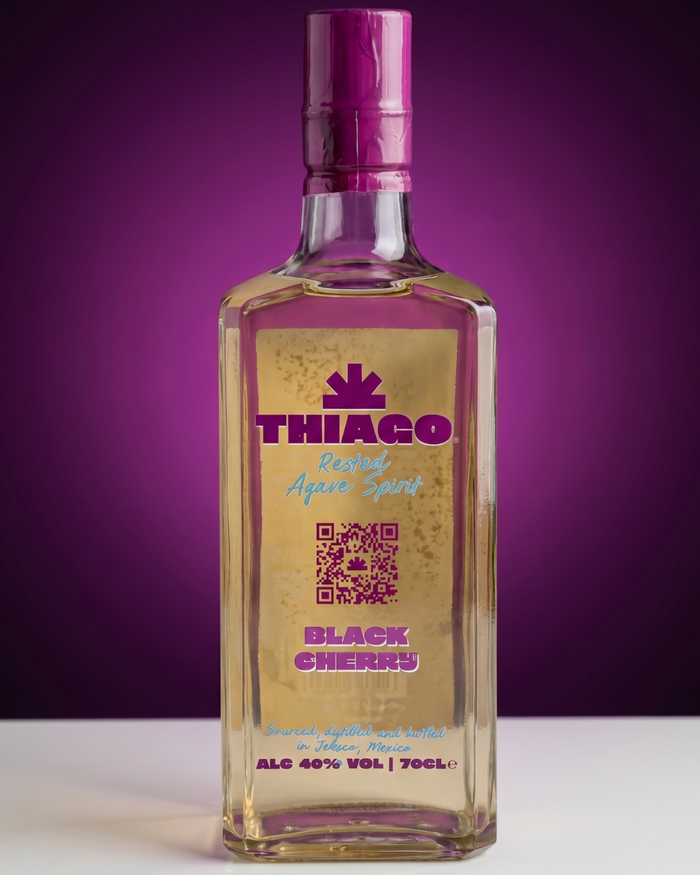
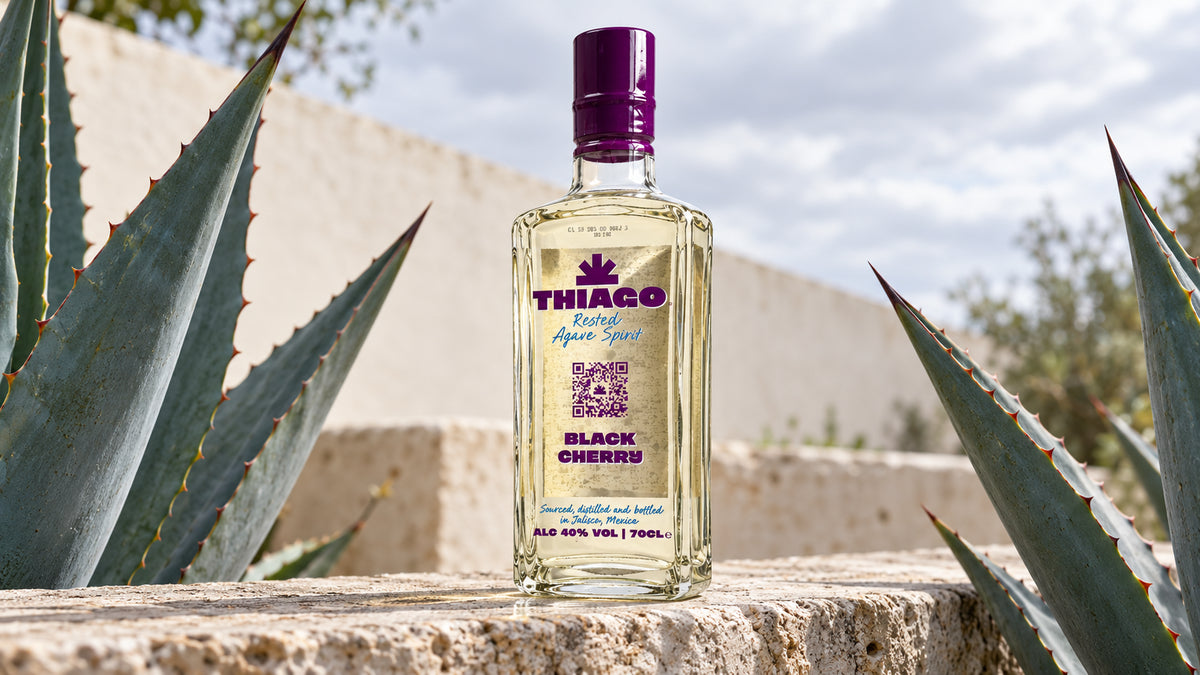
Thiago Black Cherry Tequila – 70cl →
**4.
5. Resting and bottling. Blanco is bottled shortly after distillation, sometimes after a short settling period.
Why Method Matters More Than the Word "Traditional"
It is tempting to read "traditional" on a label as a guarantee of quality. It is not. Traditional methods, slow oven cooking, tahona milling, open-vat fermentation, tend to produce richer, more textured spirits when executed well, but they are harder to run consistently, while modern methods can deliver precision. Method and execution both matter. Read the category, the agave statement and the producer details, then taste with those in mind.
Agave Sourcing and the Sustainability Question
Blue agave is grown across the producing region, and how it is farmed has become a genuine talking point. Monoculture planting can reduce biodiversity and leave crops exposed to disease, while some producers maintain intercropped fields or leave hedgerows and wild agave standing.
For a practical next step, the Thiago Tequila collection sets out the range and the production approach behind each bottle, so you can compare categories with the process in mind rather than the packaging.
How to Choose, Serve and Taste Authentic Mexican Tequila
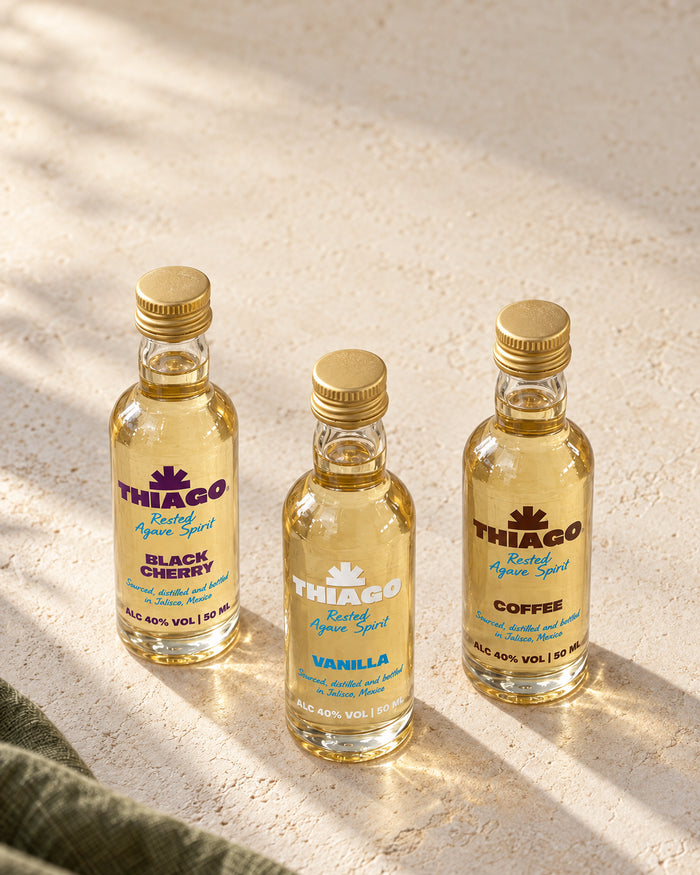
Choosing authentic Mexican tequila comes down to three checks: it says 100% de agave, it carries a NOM and CRT mark, and the ageing category matches how you plan to drink it. For travel, festivals and weekend breaks, the Thiago Minis 3 Pack holds three 50ml bottles, Coffee, Vanilla and Black Cherry, and the 50ml format is friendly for hand luggage.


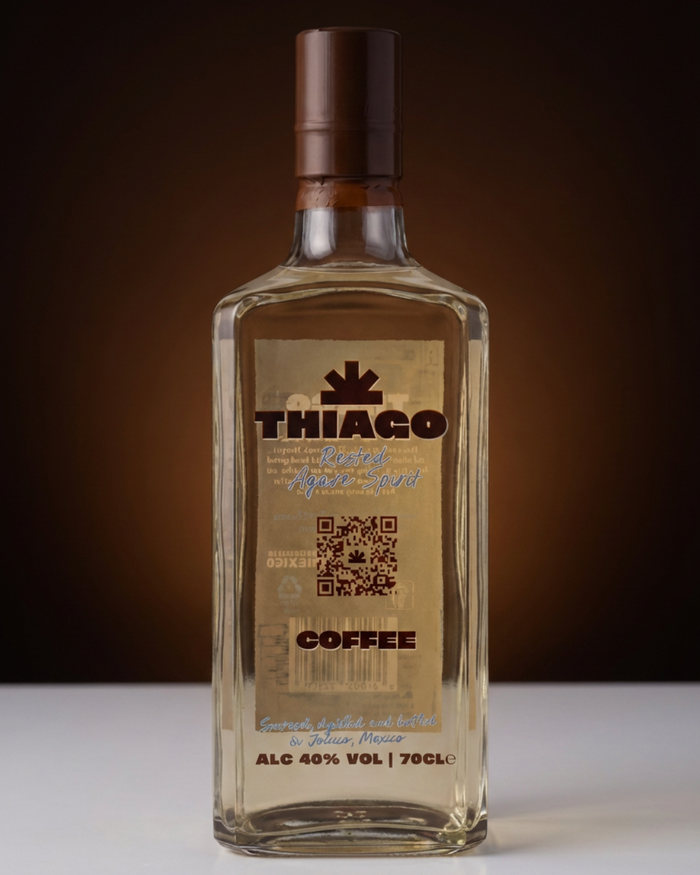
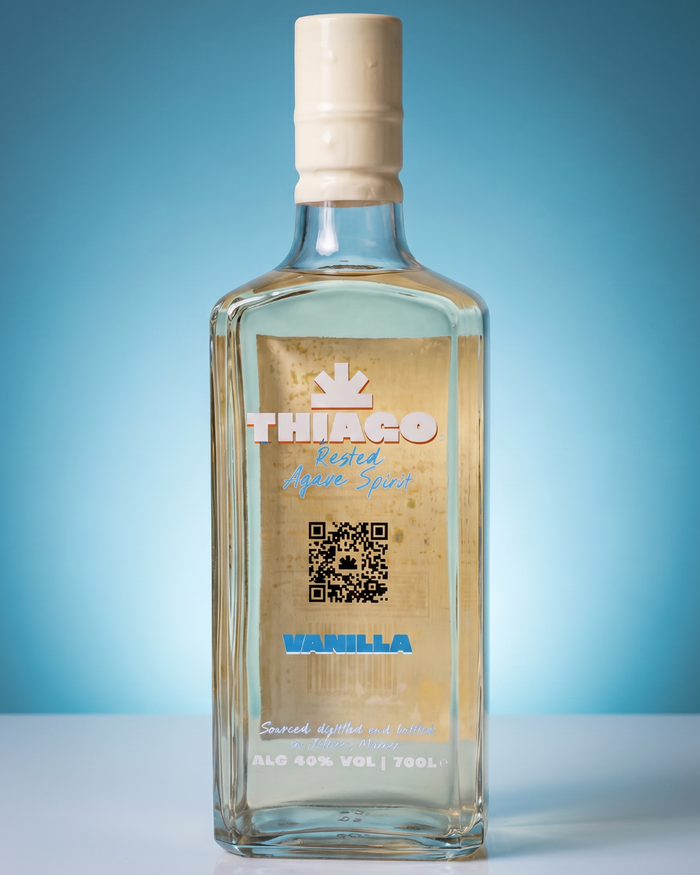
Thiago is 100% Blue Agave Reposado Tequila with natural Mexican flavours. 100% sourced, distilled and bottled in the Highlands of Jalisco at 40% ABV with zero added sugar. If you want to taste the range before committing to a full bottle, start with the Thiago Tequila 3 Pack, or go straight to the Black Cherry if you already know you want something bold and fruit-led.
| What You Want | Category to Choose | How to Serve It |
|---|---|---|
| Bright, agave-forward sipping | Blanco | Neat, chilled |
| Balance of agave and oak | Reposado | Neat, over ice, or in a Paloma |
| Richer, oak-led character | Añejo | Neat, small pour |
| Cocktails and spritzes | Reposado | Mixed, over ice |
Please drink responsibly. For guidance on alcohol and your health, see Drinkaware.
The challenge with authentic Mexican tequila is that the market rewards loud branding over honest labelling, and it takes discipline to check the bottle rather than the shelf talker.
Frequently Asked Questions
How can you tell if tequila is authentic?
Check the label for three things: the words '100% de agave' rather than 'mixto', a NOM number issued under the Denomination of Origin, and a named ageing category such as blanco or reposado. A bottle that lists no agave percentage and no distillery reference is worth questioning. If you want a shortcut, start with a producer that states its region, its ageing period and its full agave content openly, then taste it neat before you mix it.
What does 100% agave mean on a tequila label?
It means every drop of fermentable sugar in the bottle came from blue agave rather than from cane sugar or another syrup. Mixto tequila must contain at least 51% agave sugars, which leaves the rest open to other sources. The 100% agave statement is not a marketing phrase; it is a production fact recorded under the rules that govern the spirit. Thiago is 100% Blue Agave Reposado Tequila with natural Mexican flavours, sourced, distilled and bottled in the Highlands of Jalisco at 40% ABV with zero added sugar.
Does authentic tequila have to be made in Mexico?
Yes. Tequila holds a protected Denomination of Origin, so a bottle can only carry the name if it was produced inside the approved regions, principally the state of Jalisco and a small number of neighbouring municipalities. A spirit made from blue agave anywhere else is an agave spirit, not tequila. That protection is why the region, the soil and the local distilleries matter so much to the final flavour.
What is the difference between tequila and mezcal?
Both are agave spirits, but the processes differ. Tequila must be made from blue agave and is typically steam-cooked in autoclaves or brick ovens before distillation, which gives a rounded, agave-forward profile. Mezcal can use dozens of agave varieties and its hearts are usually roasted in earthen pits, which produces the smoky character people associate with it. If smoke is not what you want in your glass, a reposado tequila is the better starting point.
What does reposado tequila mean and how should I serve it?
Reposado means 'rested'. The spirit spends a minimum of two months in oak, and many producers rest it for around six, which adds colour and softens the edges without burying the agave. Serve it neat at room temperature or over a single large ice cube, and give it a minute in the glass before you sip. For a longer drink, top it with soda and a wedge of grapefruit. Please drink responsibly; for guidance visit drinkaware.co.uk.
Why is a 50ml mini pack useful if I already buy full bottles?
Minis solve two problems: you can taste a flavour before committing to a full bottle, and 50ml bottles pass hand luggage restrictions, so they travel easily for weekend breaks and festivals. The Thiago Minis 3 Pack contains Coffee, Vanilla and Black Cherry, each made with 100% Highland Blue Agave Reposado rested six months in white oak. It also works as a gift when you are not certain which flavour someone will prefer.