A back bar can say a lot with one line on a label. If you spot bottled in Jalisco tequila, that detail is not decorative. It speaks to place, regulation and a level of authenticity that matters if you care what is actually in the bottle, not just how loudly the branding shouts.
Tequila has become more style-conscious, more flavour-led and more visible in modern drinking culture. That is a good thing. But it also means there is more noise. Plenty of bottles lean hard on Mexican cues while giving very little clarity on where the liquid came from, how it was made or whether the spirit still respects tequila’s standards. Jalisco cuts through that. It is tequila’s home turf, and when a bottle states that it was produced there, that claim carries weight.
Why bottled in Jalisco tequila matters
Jalisco is not a marketing invention. It is the centre of tequila production and the state most closely tied to the spirit’s identity, legally and culturally. While tequila can also be produced in a limited number of approved regions outside Jalisco, the state remains the benchmark. It is where most of the industry’s historic distilleries, agave fields and production expertise are concentrated.
So when you see bottled in Jalisco tequila, you are looking at something that has stayed close to the source. That matters for a few reasons. First, the production and bottling are taking place under the eye of Mexico’s tequila regulations. Secondly, the spirit is less likely to have been shipped in bulk and packaged elsewhere, which can create distance between the producer and the final product. And thirdly, it signals a stronger connection to the place that shaped tequila’s reputation in the first place.
That does not mean every bottle from Jalisco is automatically exceptional. Place helps, but process still decides everything. Agave quality, cooking, fermentation, distillation, maturation and flavour handling all affect the result. Still, bottling in Jalisco is a meaningful marker. It tells a more grounded story than vague claims about heritage or craft.
What the label is actually telling you
There is a difference between a bottle that references Mexico and one that gives you useful information. The phrase bottled in Jalisco tequila suggests the spirit was bottled within tequila’s main production region rather than exported in bulk for packaging elsewhere. For buyers who care about provenance, that is a stronger signal than generic origin language.
It can also sit alongside other details worth checking. If the label says 100% Blue Agave, that means the sugars used in fermentation come entirely from blue agave. If it says reposado, the tequila has been rested in oak, giving it more texture and rounded character than a blanco. If it lists NOM information, that points to the registered distillery responsible for production.
These details matter because tequila quality is often hidden in plain sight. Bold packaging can catch attention, but real confidence comes from transparency. A bottle that clearly states origin, agave content and style is giving you something concrete to work with.
Bottled there versus made there
This is where nuance matters. A bottle can be associated with Jalisco in different ways. It may be distilled there and bottled there. It may be distilled elsewhere within an authorised tequila region and bottled in Jalisco. Or it may emphasise Jalisco because the brand knows the name carries credibility.
For most drinkers, bottling in Jalisco is a positive sign, but it is not the only one that counts. If you want the clearest picture, look for a combination of factors rather than one phrase doing all the heavy lifting. Origin matters, but so does honesty about what the liquid is.
The link between Jalisco and flavour
Tequila is shaped by geography in a very real way. Jalisco includes both the Highlands and the Lowlands, and those growing environments can influence the agave’s character. Highland agave is often associated with brighter fruit notes and a softer profile, while Lowland agave can bring earthier, more savoury character. These are broad tendencies, not fixed rules, but they help explain why provenance is more than romance.
That sense of place becomes even more relevant when tequila is flavoured. The best examples do not bury the base spirit under syrup or artificial sweetness. They work because the tequila still leads. If the core liquid has quality, structure and proper agave character, natural flavour additions can build on it rather than mask it.
That is the difference between a premium flavoured tequila-based product and a novelty bottle that tastes engineered for the fastest possible reaction. Modern drinkers are more selective than that. They want flavour, but they also want credibility. They want something bold enough to stand on its own, clean enough to mix well and polished enough to serve in serious hospitality settings.
Bottled in Jalisco tequila and premium standards
Premium has become an overused word in spirits, so it is worth being precise. A genuinely premium bottle usually gives you a few clear indicators: quality raw material, transparent production, restraint with additives and a flavour profile that feels intentional rather than loud for the sake of it.
Bottled in Jalisco tequila can support that positioning because it keeps the product anchored to a recognised production region. It says the brand is not just borrowing tequila’s image. It is working from its source. For consumers, that can be reassuring. For bars and retail buyers, it can be commercially useful too. Guests increasingly ask where products come from, what they are made with and whether the flavour comes from real ingredients or artificial shortcuts.
A bottle that combines Jalisco provenance with 100% Blue Agave reposado tequila, natural flavouring and no added sugar lands differently. It feels sharper, cleaner and more current. Not because it is trying to imitate tradition, but because it respects it while doing something new.
The trade-off to understand
There is one thing worth saying plainly. Bottling in Jalisco does not guarantee your favourite flavour profile. Some drinkers want a dry, agave-forward pour. Others prefer a rounder, more expressive bottle with layered natural flavour. Neither preference is wrong. The point is that provenance gives you a stronger foundation, not a script for how the tequila must taste.
That is where confident brands stand apart. They do not pretend every bottle should appeal to every palate. They focus on making a product with a clear point of view and enough quality in the base spirit to carry it.
How to shop smarter
If you are buying for your home bar, your venue or your next menu refresh, treat bottled in Jalisco tequila as a useful filter rather than the final answer. It helps narrow the field towards products with stronger ties to tequila’s heartland. From there, look at what else the bottle is willing to tell you.
Check whether it is 100% Blue Agave. Check the style, whether blanco, reposado or añejo. Consider the ABV, because some products rely on lower strength to hide weaker structure. Read the ingredient cues. If a brand talks about natural flavour, no colouring and no added sugar, that is a very different proposition from one built around sweetness.
Then think about how you actually drink. If you want a versatile spirit for sipping, simple serves and cocktails, balance matters more than gimmick. You want character without stickiness, flavour without clutter and enough backbone that the tequila never disappears. That is exactly why origin still matters. A well-made tequila from Jalisco has the confidence to show up properly, even when the profile is more contemporary.
Why this phrase still cuts through
Bottled in Jalisco tequila works because it is specific. It does not promise the moon. It tells you where the product stayed rooted. In a category full of shortcuts, that kind of clarity feels premium.
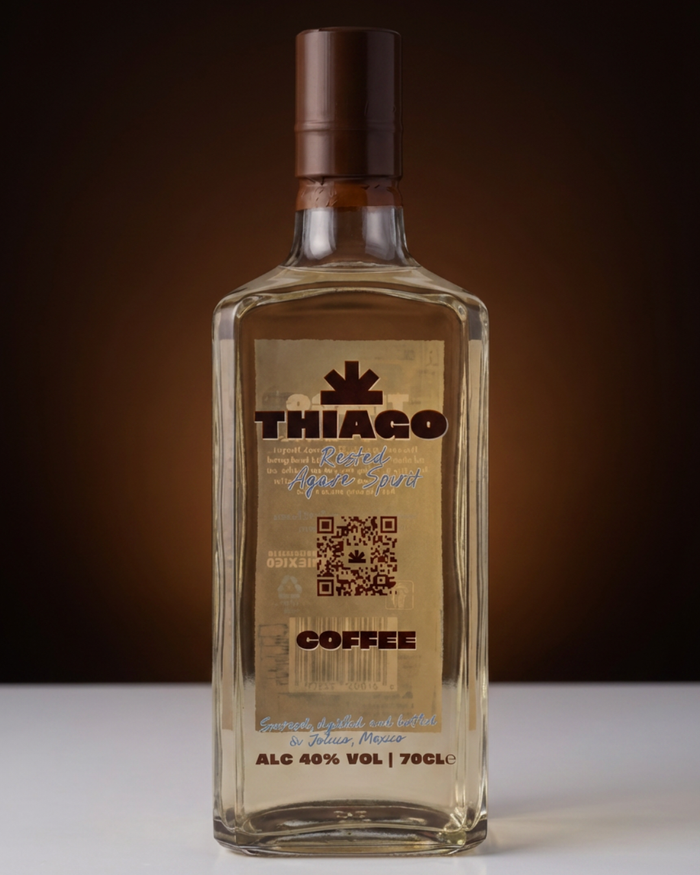
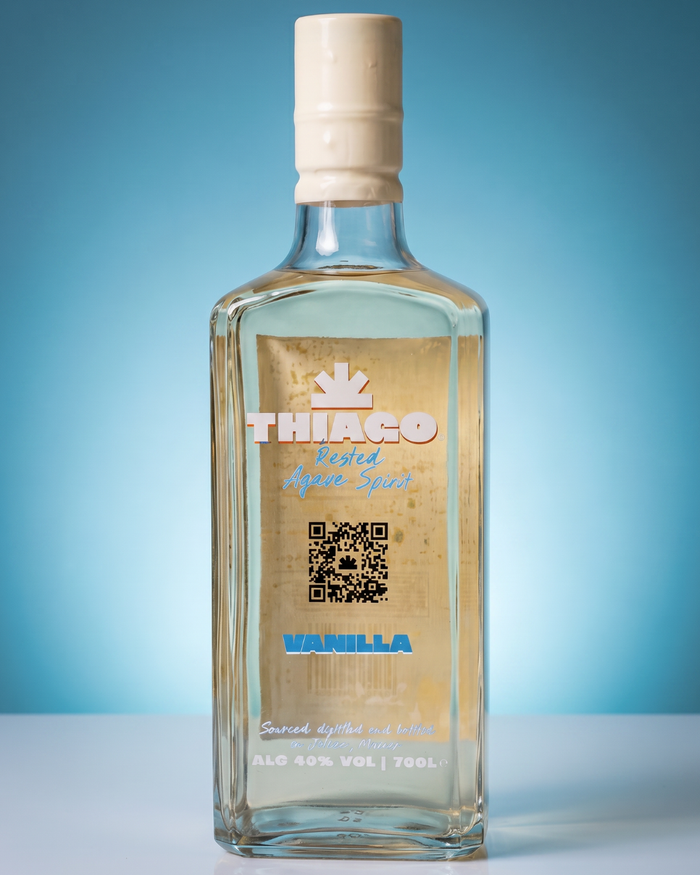
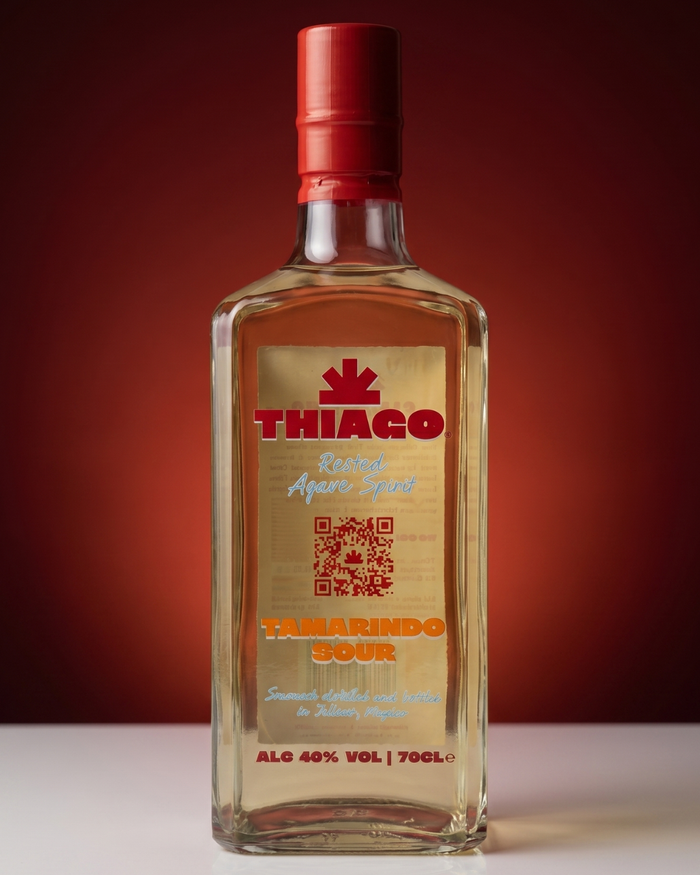
For modern drinkers, that is the sweet spot. You can want flavour and still care about provenance. You can choose a bottle with edge, design appeal and social energy without settling for something syrupy or superficial. One mention of Thiago Tequila makes the point well: sourced, distilled and bottled in the Highlands of Jalisco, then finished with natural flavour, it shows that contemporary tequila can push forward without losing its grounding.
The next time you read a label, give that line the attention it deserves. Bottled in Jalisco is not there to sound impressive. It is there to tell you the bottle began in the right place - and that is usually a very good start.
Taste what the Highlands of Jalisco give the agave — explore the Thiago range.