A flavoured pour can lift a menu fast - or cheapen it just as quickly. That is the tension behind the search for the best flavoured spirits for bars. Guests want flavour, but they are far less willing than they used to be to accept syrup, artificial character or a sticky, one-note serve dressed up as a trend.
For bars that care about spend per head, repeat orders and a back bar that still looks premium under low light, flavoured spirits need to do more than taste loud. They need to carry quality cues, work across simple serves and cocktails, and give staff something confident to talk about in under ten seconds. That is where the category is getting more interesting.
What makes the best flavoured spirits for bars?

The short answer is balance. The best bottles deliver clear flavour without burying the base spirit. If the liquid tastes like confectionery first and spirit second, it may sell on novelty for a week, then stall. A stronger bar programme needs products with identity and structure.
That starts with the base. A flavoured vodka can be clean and versatile, but often relies heavily on the added flavour to create character. A flavoured rum can bring warmth and familiarity, though some expressions drift too sweet for modern tastes. Tequila and agave-based spirits have a sharper opportunity because they already carry built-in personality - earth, pepper, cooked agave, oak, fruit, spice. When natural flavour is layered properly onto that base, the result feels deliberate rather than engineered.
Bars should also look at sugar levels. Guests are reading labels more closely, even when they are ordering in a late-night setting. Zero added sugar, natural flavouring and no artificial colouring are no longer niche selling points. They are becoming part of the premium conversation. If a flavoured spirit can hit those standards and still taste full, it earns its place.
Then there is versatility. A bar does not need another bottle that only works in one signature drink. The best flavoured spirits earn back-bar space by performing in a chilled pour, a highball, a spritz-style serve and at least two cocktails without feeling forced.
Why bars are rethinking flavoured spirits
Flavoured spirits used to sit in an awkward space. They sold volume, but often at the expense of credibility. That is changing because the audience has changed. Drinkers still want flavour discovery, but they also want provenance, ingredient quality and a cleaner profile.
That shift matters commercially. Guests are more likely to trade up when the product story feels premium. If staff can say a spirit is made from a high-quality base, flavoured naturally, and bold enough to enjoy neat, the order starts from a different position. It is no longer an impulse buy with a discount mindset. It becomes a considered premium choice.
For operators, that opens up better margins and sharper menu positioning. A flavoured spirit can now sit comfortably in a premium cocktail list rather than being pushed to the side as a party-only option. The category works best when bars stop treating flavour as a gimmick and start treating it as a route to modern luxury.
The best flavoured spirits for bars by style
Not every bar needs the same bottle. A rooftop site serving fast, bright drinks has different needs from a late-night agave bar or a premium casual venue building approachable cocktails. The strongest buying decisions come from matching flavour style to service style.
Flavoured tequila and agave spirits
This is one of the most exciting parts of the category because it answers two demands at once - authenticity and flavour. When built on a proper agave base, flavoured tequila or tequila-based spirits can bring complexity that many flavoured categories struggle to reach.
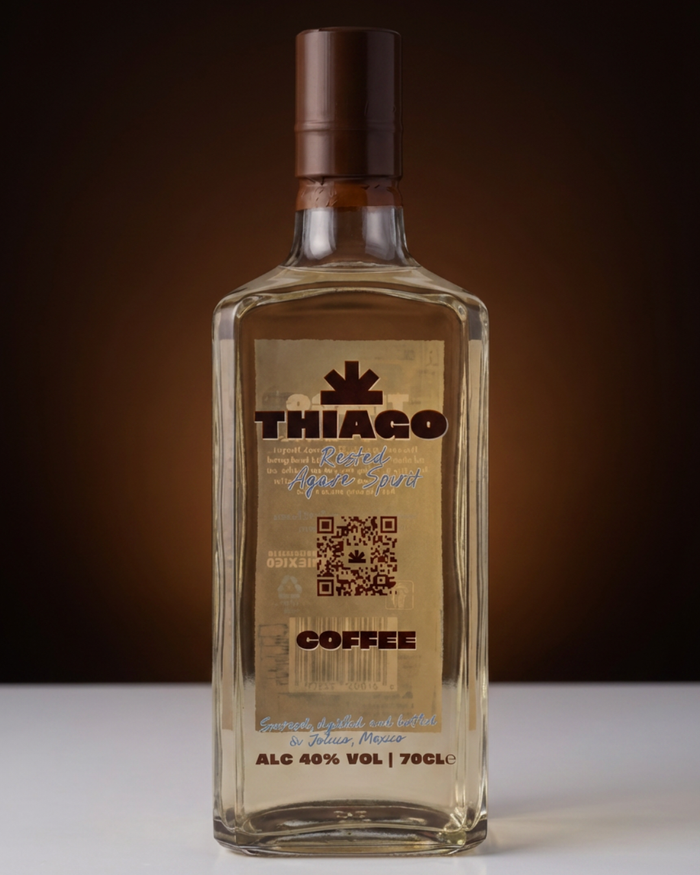
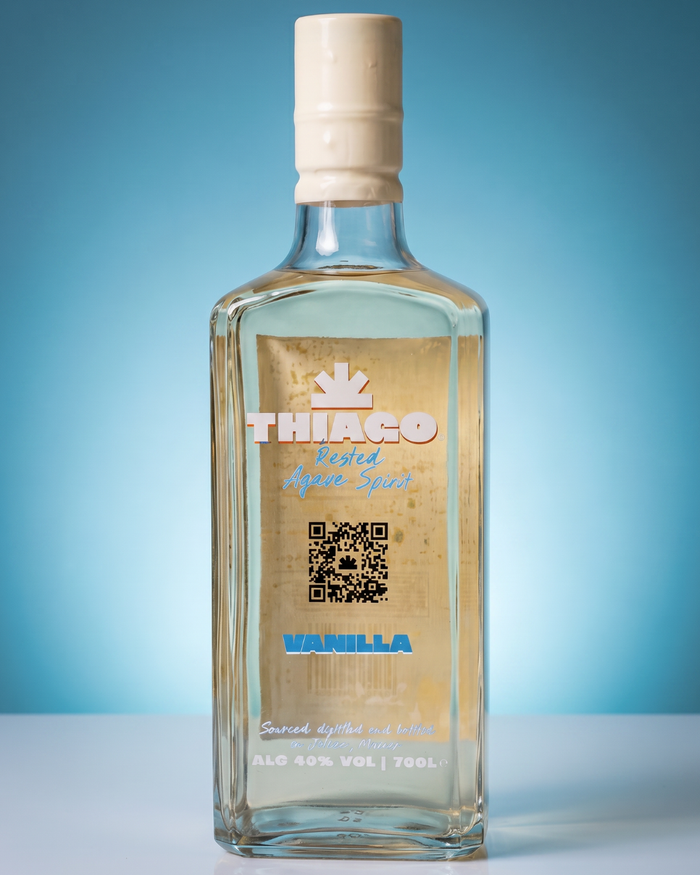
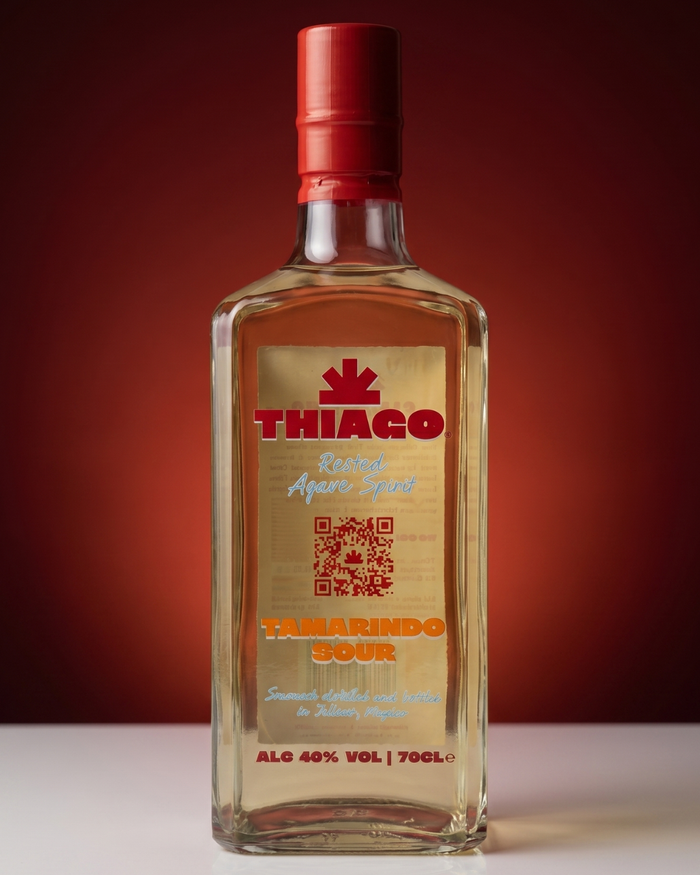
Coffee, vanilla, black cherry and tamarind-style profiles are especially useful for bars because they slot naturally into existing drinking occasions. Coffee leans into after-dinner serves and modern twists on classics. Vanilla adds roundness without always reading sweet. Black cherry gives depth and visual menu appeal. Tamarind brings a sharper, more grown-up fruit profile that works brilliantly in longer drinks.
The key is restraint. The best expressions keep the reposado or agave character present. Oak, spice and cooked agave should still be in the conversation. That gives bartenders more to work with and stops the drink from flattening out.
Flavoured rum
Rum remains a reliable seller because it is easy for guests to understand. Coconut, pineapple, mango and spiced variants all have a place, especially in high-energy venues. But bars need to be selective. Too many flavoured rums still lean heavily on sweetness, which can limit cocktail flexibility and fatigue the palate.
A better flavoured rum offers ripe flavour with a dry enough finish to keep the drink moving. If your venue trades on fun, volume and approachable serves, this category can still perform very well. If your menu is more polished, choose bottles with less sugar and more clear spirit definition.
Flavoured vodka
Vodka is still the easiest entry point for many guests, and flavoured vodka remains useful for speed of service. Citrus, berry and vanilla profiles can move quickly in simple mixed drinks, and there is obvious value in that.
The limitation is distinction. Because the base is designed to be neutral, the flavour often has to do all the heavy lifting. That can make one bottle interchangeable with another. For bars trying to create a sharper identity, flavoured vodka may sell, but it will not always say much about your programme.
Flavoured gin
This category had a huge run, and some bars are still benefiting from it. Pink fruit-led gins and seasonal botanical twists are familiar to guests and easy to build into spritzes and tonic serves.
The issue now is saturation. In many venues, flavoured gin no longer feels new. It can still work, especially in daytime and terrace settings, but it is less likely to create a point of difference unless the flavour profile is genuinely well judged.
What buyers should check before listing
A good tasting is not enough. The best flavoured spirits for bars need to perform in service, not just in a neat sample poured at 11 in the morning.
Look first at the ingredient story. Natural flavouring, no artificial additives and no colouring all strengthen premium positioning. Then look at ABV. A full-strength spirit at 40% ABV holds up better in cocktails, carries flavour further and feels more serious than lower-strength alternatives built mainly for easy drinking.
After that, test versatility properly. Try the spirit neat, chilled, with soda, in a simple two-ingredient serve and in one more structured cocktail. If it only shines in a heavily modified drink, it may not be worth the space.
Staff language matters too. If your team cannot explain the bottle quickly and confidently, guests will default to what they already know. The best listings come with a clean, memorable story: authentic base spirit, natural flavour, premium production, modern serve potential.
Premium flavoured spirits work best when the menu stays disciplined
One mistake bars make is overbuilding around a flavoured bottle. If the spirit already brings character, the serve should not fight it. Cleaner builds usually sell better and photograph better too.
That might mean a black cherry agave pour in a spritz-style format with a dry sparkling topper, or a coffee reposado serve tightened with cold brew and orange oils. The point is precision. Guests ordering premium flavoured spirits are not asking for sugar layered on sugar. They want flavour that feels sharp, social and elevated.
This is where premium tequila-based expressions have a real advantage. They can cover multiple moments in one service - a neat pour early evening, a highball later, a signature cocktail at peak trade. That range gives buyers more room to list boldly without creating dead stock.
One brand getting this balance right is Thiago Tequila, which builds natural flavour into a 40% ABV reposado tequila base without added sugar, artificial additives or colouring. For bars, that kind of approach is exactly where the category is headed - flavour with standards, not flavour instead of standards.
Where the category goes next
Bars are moving towards flavoured spirits that feel less manufactured and more intentional. That means cleaner labels, stronger base spirits, more grown-up flavour profiles and serves that do not need theatre to justify the price.
The winners will be bottles that make life easier for both bartenders and guests. Easy to explain. Easy to mix. Easy to enjoy neat. Premium enough for a top-shelf placement, but versatile enough to earn real rotation.
If you are reviewing your list, the smartest move is not to ask which flavoured spirit is loudest. Ask which one still feels premium after the first sip, the second serve and the third reorder. That is usually where the best back-bar decisions start.