If you’ve ever reached for a premium tequila and told yourself it was the “healthier” choice, you’re not alone. Agave tequila has built a remarkable reputation in health-conscious circles across the UK, with claims ranging from prebiotic benefits to blood sugar support. But how much of that reputation holds up under scrutiny? This guide cuts through the noise to give you the real picture on agave tequila’s sugar content, calorie count, and what clinical evidence actually says, so you can make genuinely informed choices about how it fits into a balanced lifestyle.
Table of Contents
- How agave tequila is made: Why 100% agave matters
- What are the real health claims of agave tequila?
- Tequila and moderation: NHS guidelines and real risks
- Comparing agave tequila: How does it stack up to other spirits?
- Our perspective: Don’t buy into the agave ‘health halo’
- Try premium agave tequila the smarter way
- Frequently asked questions
Key Takeaways
| Point | Details |
|---|---|
| Pure agave equals less sugar | 100% agave tequila has negligible residual sugars compared to mixto tequilas and many cocktails. |
| No safe level of drinking | All spirits, including agave tequila, carry some health risk even at low consumption. |
| NHS drinking limits apply | Stay within 14 units per week, spreading intake over at least three separate days. |
| Marketing hype versus reality | Health claims about agave tequila are overstated; moderation is always key. |
| Choose premium for taste | The main reason to select high-quality agave tequila is flavour and experience, not health benefits. |
How agave tequila is made: Why 100% agave matters
The first thing to understand is that not all tequila is created equal. There are two broad categories: 100% agave tequila and mixto tequila. The difference is significant, particularly if you care about what you’re putting into your body.
Mixto tequila only needs to contain 51% agave-derived sugars. The remaining 49% can come from other sugar sources, typically cane sugar or glucose syrup, plus artificial colourings and flavour additives. This is where hidden sugars sneak in. A cheap mixto margarita mix at a bar is a very different product from a hand-crafted, single-origin 100% Blue Agave spirit from the highlands of Jalisco.
100% agave tequila is made exclusively from the blue agave plant (Agave tequilana Weber). The piñas (the heart of the agave plant) are harvested, slow-roasted or steam-cooked, and then crushed to extract the juice. That juice is fermented and then distilled. The distillation process in tequila is the critical stage: it removes the vast majority of fructans and sugars originally present in the agave plant. As a result, residual agavins in finished tequila are minimal or negligible by the time the spirit reaches your glass.
Here is what distinguishes 100% agave tequila from mixto varieties:
- Sugar content: 100% agave tequila contains virtually no residual sugar; mixtos can contain added sugars throughout production
- Additives: Mixtos may include artificial colourings, oak extract, and glycerin; 100% agave is held to stricter standards
- Flavour integrity: The natural terroir of the agave plant, including floral and earthy notes, comes through in a pure product
- Labelling: Only bottles that state “100% agave” or “100% de agave” on the label are the real thing
- Regulatory oversight: True tequila must be produced in specific regions of Mexico and certified by the Tequila Regulatory Council (CRT)
Pro Tip: Always read the label before buying. If it simply says “tequila” without the 100% agave qualifier, it is almost certainly a mixto. That distinction matters enormously for both flavour and what you’re actually consuming.
What are the real health claims of agave tequila?
Now that we’ve covered tequila’s production, let’s assess the actual health claims and separate fact from marketing.
The most frequently cited health claim involves agavins, the naturally occurring fructans found in the agave plant. Agavins are a type of dietary fibre with prebiotic properties, meaning they may support gut bacteria. Some studies in animal models have suggested agavins could help lower blood sugar and support weight management. Sounds compelling, right? Here’s the problem: the distillation process that makes tequila a spirit also removes the agavins. What you drink in a glass of tequila is not meaningfully different from other distilled spirits in terms of prebiotic fibre content.
Another popular claim is that agave tequila has a low glycaemic index (GI), making it suitable for people watching their blood sugar. There is a kernel of truth here. Pure distilled spirits, including tequila, contain virtually no carbohydrates and therefore have a near-zero GI on their own. Some people with diabetes have explored tequila as a lower-carb option compared to beer or sweet wine. However, alcohol can cause hypoglycaemia in people on insulin or certain diabetes medications, meaning the blood sugar picture is far more complicated than a simple GI number suggests. This is not a green light for diabetics to drink freely.
The broader health marketing around agave tequila also leans heavily on its “natural” origins and fewer additives. Compared to a sugary cocktail or a sweetened liqueur, a neat pour of 100% agave tequila does stack up reasonably well in terms of sugar and carb content. But that comparison is doing a lot of work. Comparing tequila versus other spirits on a purely compositional basis ignores the fundamental issue that all alcohol carries health risks.
“There is no safe level of alcohol consumption. Even within low-risk guidelines, regular drinking increases the risk of several cancers, liver disease, and cardiovascular conditions. Tequila offers no unique protection over other spirits.” This is the clinical reality, and it is important to hold it alongside any discussion of agave’s supposed benefits.
Key claims versus clinical reality:
- Prebiotic agavins: Present in raw agave, not in distilled tequila
- Low GI: True for pure spirits, but alcohol’s metabolic effects complicate this entirely
- Fewer additives: Valid for 100% agave versus mixtos, but irrelevant to alcohol’s core risks
- Weight management: No credible evidence supports tequila as a weight loss aid
- “Natural” spirit: Agave origin is genuine, but no safe drinking level exists according to NHS guidance
Tequila and moderation: NHS guidelines and real risks
While the marketing can be convincing, actual health guidance tells a different story. Let’s see how to enjoy tequila responsibly.
The NHS recommends that adults drink no more than 14 units/week max, spread across three or more days, with several alcohol-free days each week. This applies equally to all alcohol, including premium agave tequila. One unit of alcohol is approximately 25ml of a 40% ABV spirit, which is a standard single measure in a UK bar.
How quickly do you reach the weekly limit with tequila?
| Tequila shots (25ml, 40% ABV) | Units consumed | % of weekly limit |
|---|---|---|
| 2 shots | 2 units | 14% |
| 4 shots | 4 units | 29% |
| 7 shots | 7 units | 50% |
| 10 shots | 10 units | 71% |
| 14 shots | 14 units | 100% (weekly limit reached) |
That weekly limit of 14 units can disappear faster than most people realise, especially in social settings where doubles are poured or cocktails contain multiple measures. A long weekend with a few cocktails on Friday and Saturday night can easily account for the entire week’s allowance.
Here are practical strategies for premium spirits drinkers who want to stay within sensible limits:
- Count every measure. Use a jigger at home and be honest about bar pours, which are often generous.
- Pace yourself. Aim for no more than two to three units in a single sitting, with water between drinks.
- Choose quality over quantity. A premium 100% agave reposado sipped slowly offers far more sensory pleasure than four rushed shots.
- Plan alcohol-free days. The NHS guidance specifically recommends spreading consumption and taking breaks, not saving all 14 units for a single night out.
- Be mindful of mixers. Tequila mixed with sugary sodas or syrups adds calories and sugar that undermine any compositional advantages of the spirit itself.
- Know your personal risk factors. Pregnancy, certain medications, and specific health conditions mean even low-risk guidelines may not apply to you.
According to the NHS alcohol risks guide, even drinking within the 14-unit guideline carries some degree of health risk. The guideline defines “low risk,” not “no risk.” That is an important distinction.
Comparing agave tequila: How does it stack up to other spirits?
To help you make better choices, let’s see where 100% agave tequila really stands when compared with other spirits.
| Spirit (25ml serving) | Calories (approx.) | Residual sugar | Common additives | Carbohydrates |
|---|---|---|---|---|
| 100% agave tequila | 55 kcal | Negligible | None (if pure) | ~0g |
| Mixto tequila | 55-65 kcal | Low to moderate | Colouring, glycerin | ~0.5-1g |
| White rum | 55 kcal | Negligible (aged rum higher) | Varies by brand | ~0g |
| Vodka | 55 kcal | Negligible | Minimal | ~0g |
| Blended whisky | 55-60 kcal | Negligible | Caramel colouring common | ~0g |
| Sweetened liqueur | 80-120 kcal | High | Syrups, flavourings | 5-15g |
The table above makes one thing very clear: at the level of a standard single measure, most pure distilled spirits are broadly comparable in calories and sugar. The real differences emerge when you look at what you add to the spirit and how much you drink. A neat pour of Thiago Tequila’s reposado, sipped slowly and appreciated for its vanilla and black cherry notes, is a fundamentally different experience from a tequila sunrise loaded with orange juice and grenadine.
For health-conscious individuals, the advantage of 100% agave tequila lies primarily in what it doesn’t contain: added sugars, artificial colourings, and the mystery additives found in lower-quality spirits and pre-mixed cocktails. That is a genuine, if modest, point in its favour.

Exploring tequila cocktail options that use fresh citrus, natural tamarind, and minimal added sugar is a smart way to enjoy the spirit without loading up on unnecessary calories. A well-made Tommy’s Margarita, for example, uses only tequila, fresh lime juice, and agave nectar in small quantities, keeping the sugar load far lower than a traditional triple sec version.
Pro Tip: If you’re watching your calorie intake, opt for tequila neat, on the rocks, or with sparkling water and fresh lime. Avoid pre-made mixes, which can contain as much sugar per serving as a soft drink.
Our perspective: Don’t buy into the agave ‘health halo’
After looking at the comparisons, let’s step back and consider what actually matters for the health-focused drinker.
We’ve spent considerable time around premium spirits enthusiasts in the UK, and one pattern comes up repeatedly: people who genuinely love good tequila don’t need the health halo to justify their choice. They choose 100% agave tequila because it tastes extraordinary, because the craft behind it is remarkable, and because a well-made reposado from the highlands of Jalisco offers a sensory experience that no other spirit can replicate. The health framing, frankly, does the spirit a disservice.
The marketing of agave benefits has created a problematic dynamic where people drink more tequila than they otherwise would, rationalising it as a wellness choice. Clinicians are clear: alcohol’s risks are consistent across spirit types. The minor compositional differences between a 100% agave tequila and a quality vodka do not translate into meaningful health advantages.
What does matter is purity and intention. Choosing a genuine 100% agave product means you’re avoiding unnecessary additives and supporting proper craft production. Drinking slowly, in smaller quantities, and appreciating the complexity of the spirit means you’re getting more from less. That is a genuinely health-conscious approach, not because tequila is a health food, but because it reflects a mature relationship with alcohol.
The best premium spirits drinkers we know treat a quality tequila the way a wine enthusiast treats a fine Burgundy: with attention, restraint, and genuine appreciation. That mindset is far more valuable than any prebiotic claim.
Pro Tip: If you’re investing in premium tequila, resist the urge to rush through it. Sip slowly, nose the glass, and let the flavours develop. You’ll drink less, enjoy it more, and your body will thank you for it.
Try premium agave tequila the smarter way
If this article has sharpened your appreciation for what genuine 100% agave tequila actually is, you’re in the right place to take the next step.

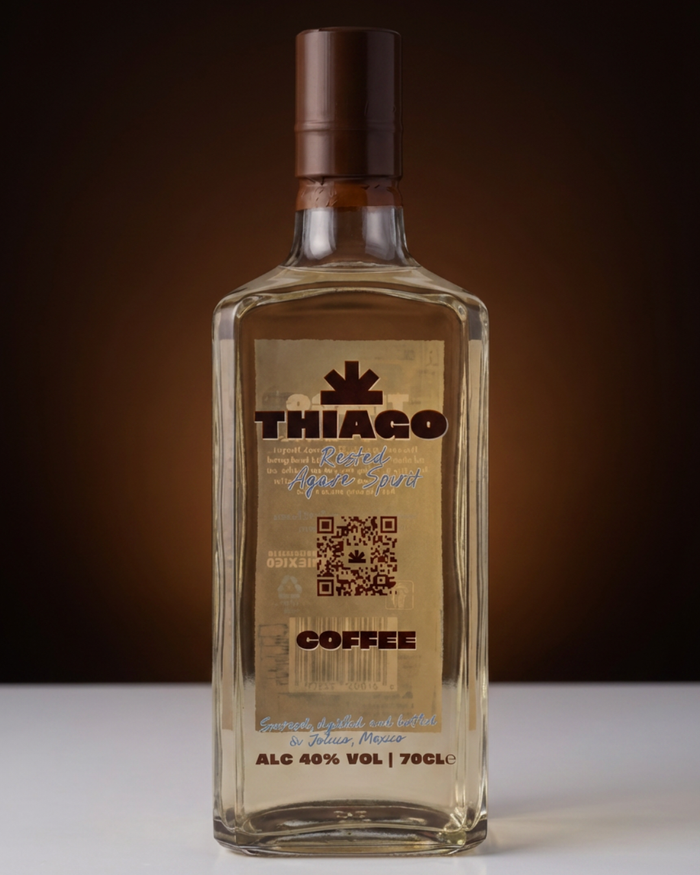
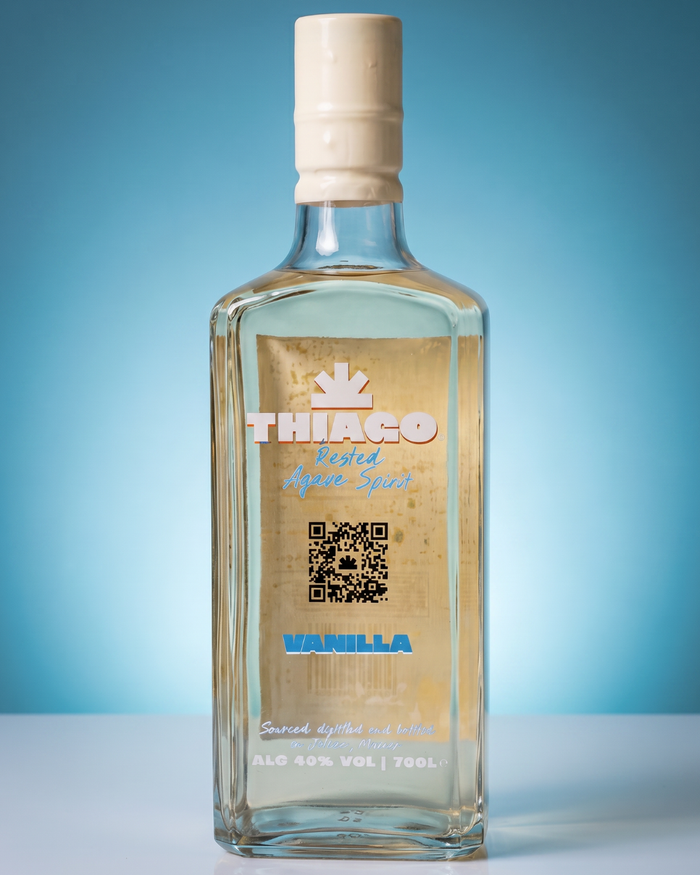
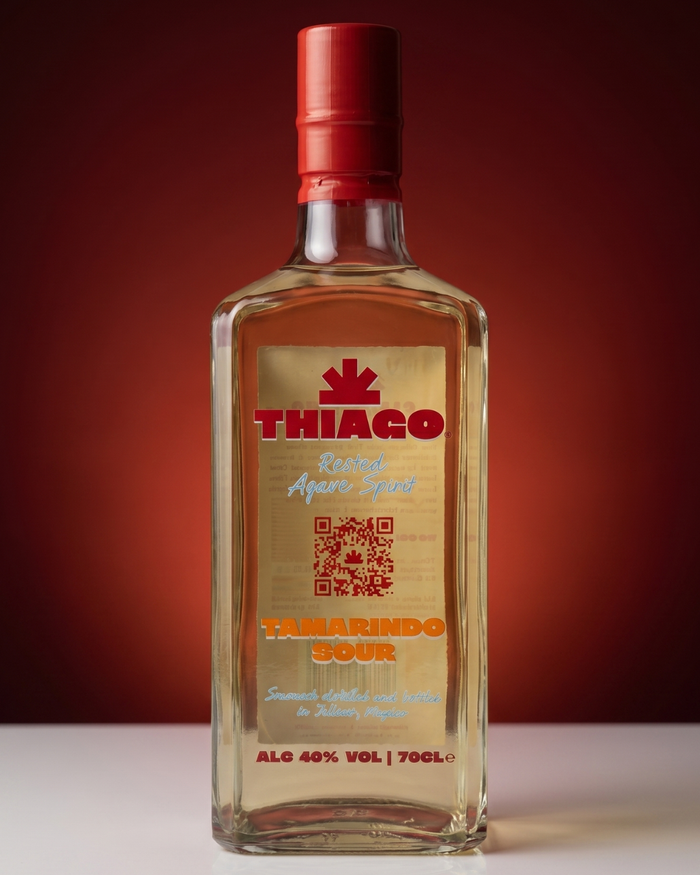
At Thiago Tequila, every expression in our range is 100% sourced, distilled, and bottled in the highlands of Jalisco, Mexico, using only Blue Agave and natural Mexican-sourced flavours. For those who prioritise clean ingredients and transparency, our organic Organico Blanco is a standout choice: pure, certified, and crafted without compromise. If you’re new to premium agave tequila and want to explore the range before committing to a full bottle, our Thiago 3 Pack taster is the ideal starting point. Browse the full Thiago Tequila collection and find the expression that suits your palate and your lifestyle.
Frequently asked questions
Does agave tequila really contain less sugar than other spirits?
Pure 100% agave tequila contains minimal residual sugar because the distillation removes most sugars from the agave plant during production, while mixtos and many ready-made cocktails contain added sugars that significantly increase the total.
Is tequila healthier for people with diabetes?
Tequila’s near-zero glycaemic index may seem appealing, but alcohol can cause hypoglycaemia in those on insulin or certain medications, so anyone with diabetes should only drink with medical guidance and careful blood sugar monitoring.
Can you drink agave tequila and stay within NHS low-risk guidelines?
Yes, by treating each standard 25ml shot as one alcohol unit and keeping your total to the 14 units/week maximum spread across three or more days, agave tequila can fit within the NHS low-risk framework.
Are there any proven health benefits to tequila over other spirits?
No compelling clinical evidence supports the idea that tequila is healthier than other spirits; the no safe drinking level position from the NHS applies equally to all alcohol, including premium agave tequila.