Order a rum old fashioned and a neat reposado side by side, and the difference shows up fast. The real question in reposado tequila vs rum is not which spirit is better in the abstract - it is which one gives you the flavour, structure and versatility you actually want in the glass.
For drinkers who care about provenance, ingredient quality and a cleaner profile, this comparison matters. Rum can be rich, round and crowd-pleasing. Reposado tequila brings more definition - cooked agave, oak, spice and a natural savoury edge that feels sharper, more modern and often more grown-up. If your tastes lean premium, that distinction is worth understanding.
Reposado tequila vs rum: the core difference
Reposado tequila starts with blue agave and, by law, must be made in specific regions of Mexico. It is then rested in oak for at least two months, often longer, which softens the spirit without burying its character. Good reposado still tastes like agave first, with barrel influence adding vanilla, spice and a little warmth around the edges.
Rum begins with sugar cane in one form or another - usually molasses, sometimes fresh cane juice. That base material pushes rum in a very different direction. Even before ageing, rum tends to read sweeter and fuller than tequila, with notes that can lean towards toffee, banana, baking spice, caramel and tropical fruit.
That means the gap is not just about one being Mexican and one being Caribbean or Latin American. It is about structure. Reposado tequila is usually more linear and more expressive of raw material. Rum is often softer, rounder and more dessert-led, although styles vary massively.
What they taste like in the glass
If you are choosing by flavour alone, think in terms of shape rather than intensity. Reposado tequila has a cleaner line. You get roasted agave, pepper, gentle oak, vanilla and sometimes a mineral lift, especially from highland tequila. Even when it is approachable, it rarely collapses into simple sweetness.
Rum, by contrast, often arrives with more immediate comfort. Depending on the style, it can offer brown sugar, ripe fruit, cocoa, coconut, cinnamon or treacle. Aged rum can be beautifully complex, but it can also feel heavier. For some drinkers that is exactly the point. For others, it can be a bit much after one glass.
This is where preference becomes personal. If you like whisky but want something brighter, reposado makes sense. If you want a spirit with warmth and an easy, rounded profile, rum will probably feel more familiar.
Sweetness is not the same as quality
One reason rum wins casual tastings is that sweetness reads as friendliness. Many rums are naturally perceived as sweeter because of the cane base, and some styles are also dosed or adjusted after ageing. That does not automatically make them inferior, but it does change the drinking experience.
Reposado tequila generally feels drier and more precise. In premium bottles, the appeal comes from balance rather than sugar-like richness. For drinkers who want character without syrupy weight, reposado has an edge. It tastes deliberate. You notice the raw material, the barrel and the finish rather than just the first easy sip.
That cleaner profile is a big part of why tequila has moved beyond trend status. People are looking for spirits that feel authentic and modern, not overloaded with sweetness or artificiality.
Ageing changes both, but not in the same way
Ageing matters in reposado tequila vs rum, but it behaves differently in each category. With reposado, the oak is there to support the agave, not dominate it. Two months to under a year in barrel creates a spirit that is smoother than blanco but still lively. You keep the earthy, herbal and cooked agave notes while gaining vanilla, spice and texture.
Rum can spend years in cask, and age often plays a bigger role in its identity. In many aged rums, the barrel influence is central. That can be brilliant when the spirit stays balanced, but it can also blur the line between the character of the cane and the character of the wood.
So if you want maturation without losing the base ingredient, reposado is often the smarter choice. It gives you polish without stripping out personality.
Which is better for sipping?
That depends on what kind of sip you want. Reposado tequila is built for drinkers who like tension in a spirit. It can be smooth, but it still carries freshness and bite. It asks for attention. Neat, it tends to open gradually, showing agave, oak and spice in sequence rather than all at once.
Rum is often more immediately mellow. A good aged rum can be deeply satisfying neat, especially if you enjoy rich, rounded flavours. But some bottlings feel almost too soft, particularly if you are after length and definition rather than plushness.
For a late-night pour, rum can feel comforting. For a sharper, more contemporary sip that still feels premium, reposado often lands better.
Which works better in cocktails?
Rum is one of the most flexible cocktail spirits in the world. It suits tropical serves, tall drinks and richer stirred classics. Its softer profile makes it easy to build around fruit, spice and sweetness. That is a strength, but it can also mean the spirit disappears if the recipe is heavy-handed.
Reposado tequila is slightly less universal, but often more distinctive. In a simple highball, it keeps its voice. In a spritz, it brings structure. In a modern sour or a short serve with citrus and spice, it cuts through with far more identity than many rums do.
That makes reposado especially good for drinkers who want flavour-forward cocktails without the sugar rush. A quality reposado also bridges categories nicely. It can appeal to whisky drinkers, gin drinkers and agave fans without trying too hard.
For nightlife and hosting, that versatility matters. A bottle that can be sipped neat, lengthened with soda or turned into a more elevated serve earns its place quickly.
Price, perception and what feels premium
Rum covers an enormous quality spectrum, from standard mixing bottles to genuinely collectible releases. The category is broad, but that breadth can make it harder to read. A premium-looking rum is not always as premium in liquid terms as the packaging suggests.
Reposado tequila, especially when made from 100% blue agave, tends to signal quality more clearly. There is less room to hide what is in the bottle. Production standards matter, origin matters, and the flavour tells you a lot.
That is part of reposado tequila’s current appeal in the premium market. It feels more transparent. More intentional. More connected to place. For consumers who care about what they are actually drinking, that carries weight.
Who should choose rum?
Choose rum if you love sweeter, softer spirits and want maximum flexibility for classic cocktails. It also makes sense if your palate leans towards dessert notes, tropical flavours and long, mellow finishes. For easy hosting, rum is often an uncomplicated crowd-pleaser.
There is no shame in that. A well-made rum can be excellent. But it suits a particular mood - more rounded, more indulgent, less driven by freshness or edge.
Who should choose reposado?
Choose reposado if you want a spirit with polish and backbone. It suits drinkers who care about raw ingredient integrity, barrel balance and a drier finish. It also works brilliantly for people who want flavoured expressions to still taste like real spirit rather than confectionery.
That is where the category has become especially interesting. A premium reposado with natural flavour can offer both versatility and credibility - bold enough to enjoy neat, clean enough for simple serves, and expressive enough to stand out in cocktails without hiding behind sugar.
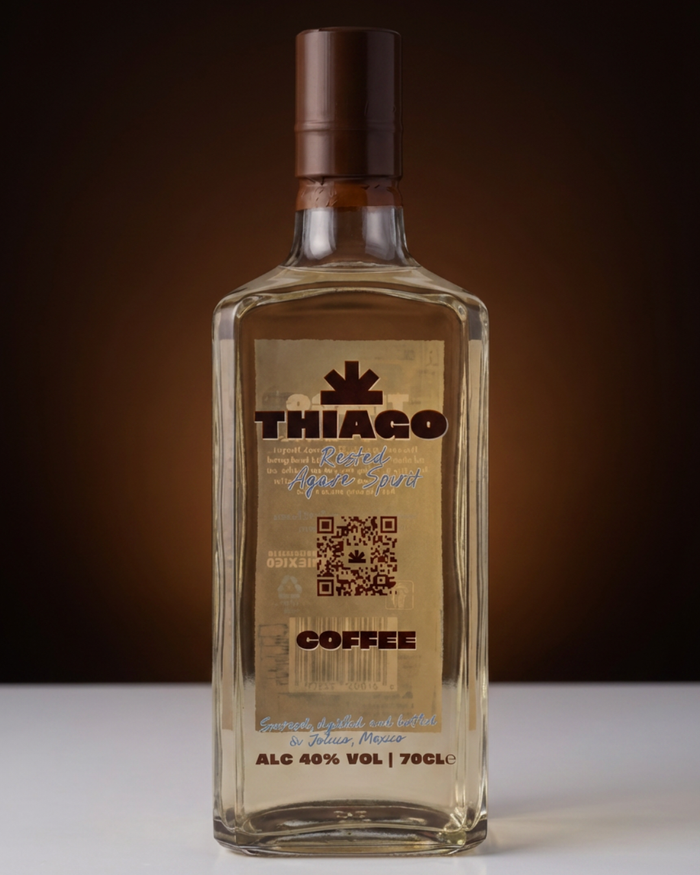
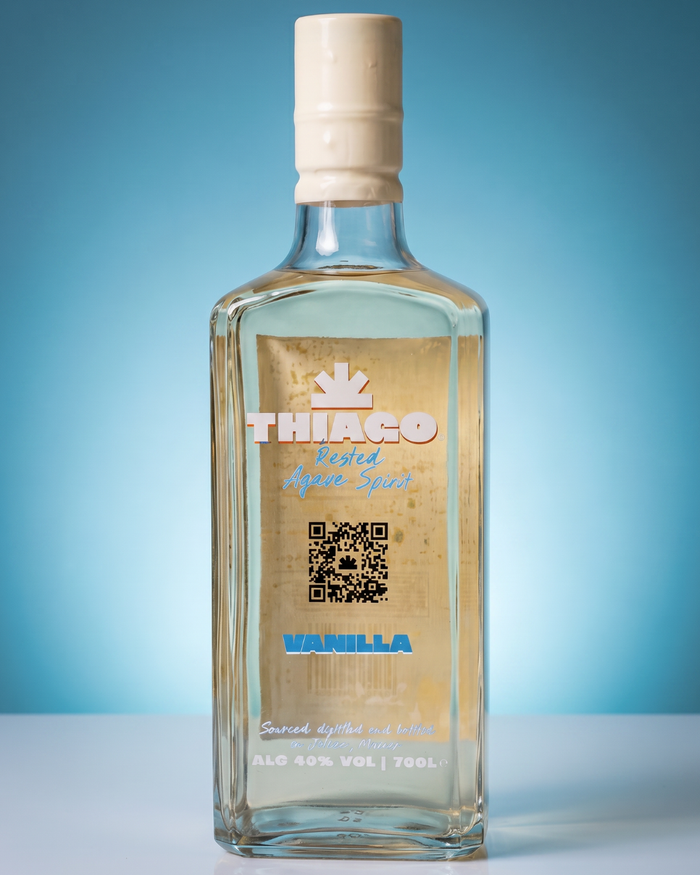
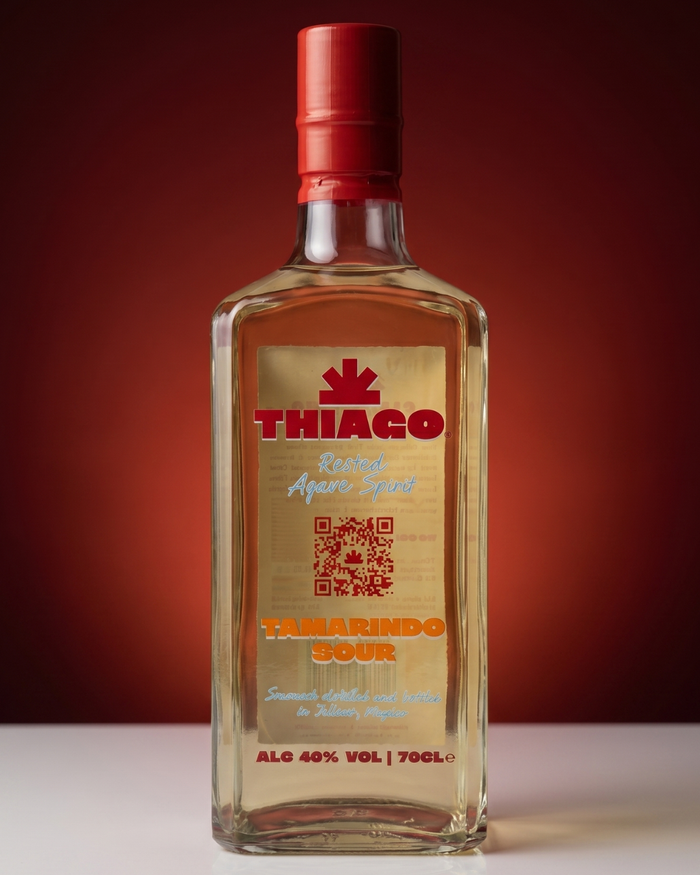
One reason Thiago lands so well with modern drinkers is exactly this balance. It keeps the reposado base front and centre, then builds contemporary flavour on top with zero added sugar, no artificial additives and no colouring. The result feels smarter than the syrup-heavy flavoured bottles many people are trying to leave behind.
So, which wins?
If your priority is richness, comfort and sweetness, rum has a clear lane. If your priority is definition, authenticity and a more refined drinking experience, reposado tequila is hard to beat.
The better question is not which category has the louder history or the broader range. It is which one feels right for how people drink now. More consumers want spirits that are cleaner in profile, more transparent in production and versatile enough to move from neat pours to simple mixed serves without losing identity. Reposado meets that moment well.
If you are building a home bar with intention, rum deserves a place. But if you want one bottle that feels premium, modern and genuinely characterful, reposado is often the bottle you reach for first. Start there, trust your palate, and let the glass tell you what fits your night.