Order a flavoured spirit in a good bar and the difference shows up fast. One serve tastes clean, structured and unmistakably agave-led. Another lands sweet, sticky and built more around flavouring than the base itself. That is the real conversation behind premium tequila versus liqueur - not snobbery, just standards.
For anyone buying better bottles, building a back bar, or choosing what actually deserves a place in a round, the distinction matters. Both styles have a role. But they are not the same thing, and treating them as interchangeable usually leads to flat cocktails, cloying serves, and a lower-quality drinking experience than the label promised.
Premium tequila versus liqueur: what changes in the glass?
At first glance, the comparison can look simple. Tequila is tequila, liqueur is liqueur. Yet flavoured agave spirits have blurred the category enough that many drinkers are left guessing. A bottle may look premium, mention agave, carry bold flavour cues and still sit much closer to a liqueur in composition and drinking style.
The biggest shift is the base. Premium tequila starts with proper tequila credentials, ideally 100% Blue Agave and produced in Mexico under strict rules. If it is reposado, it has also spent time resting in oak, which adds roundness, texture and a more layered finish. That gives you a spirit with identity before any flavour is added.
A liqueur works differently. Its profile is usually led by sweetness, with alcohol acting more as a carrier for flavour than the main event. Some liqueurs are excellent in their own right, especially when balance is handled well. But they are not built to deliver the same dry, structured, spirit-forward experience as a premium tequila.
In practical terms, that means premium tequila tends to show cleaner agave character, firmer texture, and greater versatility across sipping and mixed serves. Liqueur tends to be softer, sweeter and more narrowly used, often better suited to dessert-style drinks or lower-ABV serves.
The base spirit is everything
If you want to judge quality quickly, start with what is in the bottle before flavour enters the conversation. Premium tequila earns its status through raw material, origin and production. 100% Blue Agave matters. Jalisco matters. Distillation standards matter. Resting matters when the expression is reposado.
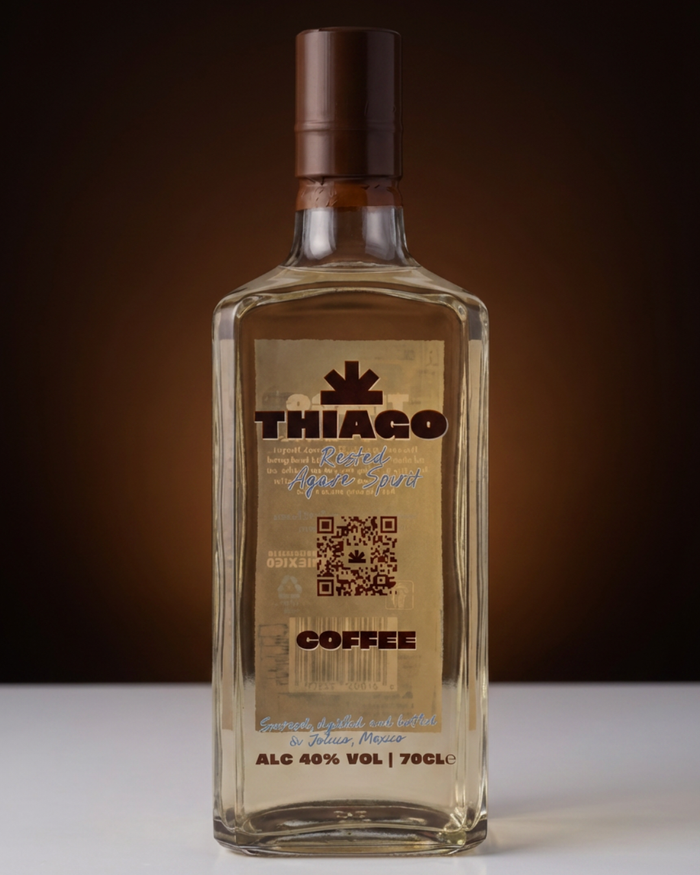
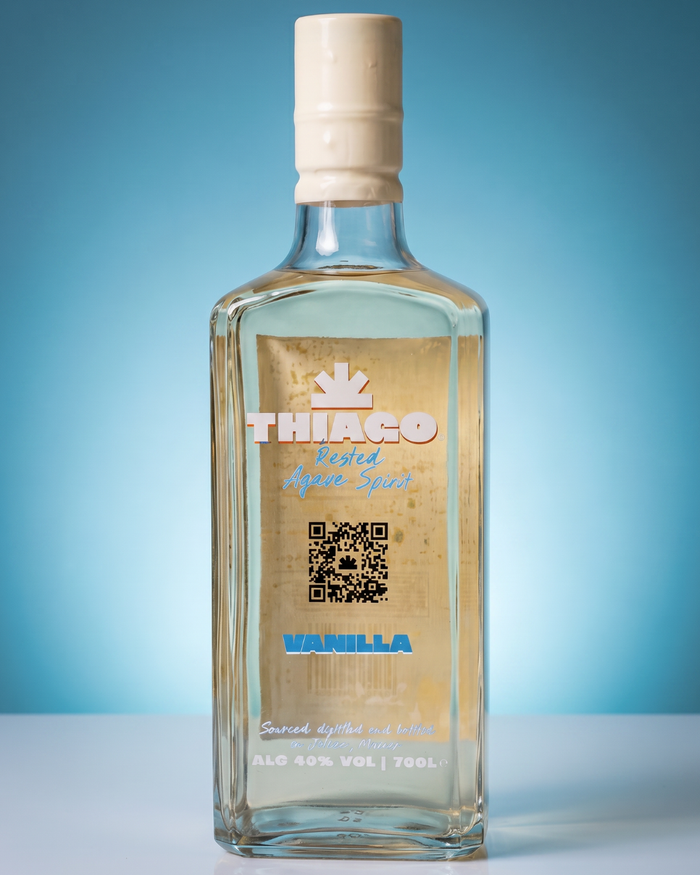
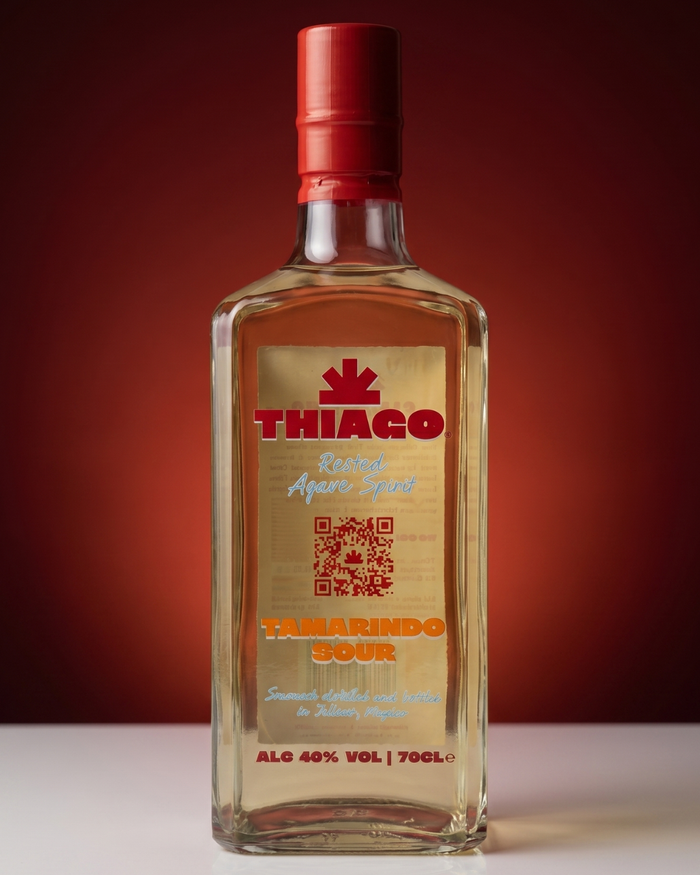
That foundation gives flavour somewhere serious to sit. Coffee notes over a reposado tequila can read rich and dry rather than syrupy. Black cherry can feel dark and fruit-led without tipping into confectionery. Vanilla can round the palate without making the finish feel heavy. Tamarindo can bring sharpness and lift rather than artificial sourness.
A liqueur often starts from a different intention. The flavour is usually the headline, while the base is there to support sweetness and drinkability. That is not automatically a flaw. It just creates a different product. If your goal is neat sipping, premium cocktails or a cleaner serve with real structure, the quality of the base spirit becomes non-negotiable.
Why ABV tells part of the story
Strength is not the whole picture, but it is a useful clue. Many liqueurs sit at a lower ABV, which suits their sweeter, softer style. Premium tequila generally stays at spirit strength, giving it presence, length and weight on the palate.
When a flavoured agave product remains at 40% ABV, that says something important. It suggests the producer has not relied on dilution and sugar to make the flavour work. Instead, the spirit still needs to stand up on its own. For drinkers who want something bold enough to enjoy neat and sharp enough for cocktails, that difference is hard to miss.
Sugar changes the category
This is where many bottles part company. Liqueurs are usually defined by sweetness. Some are intensely sugary. That sweetness can be enjoyable, but it also compresses flavour, shortens versatility and masks the character of the base.
Premium tequila, especially when naturally flavoured with restraint, can take a different route. Zero added sugar is not just a clean-label talking point. It affects the whole drinking experience. You get more clarity, more length and more precision. Fruit tastes fresher. Spice tastes more lifted. Oak and agave still have room to speak.
For hospitality, that matters even more. Sweet products can dominate a menu build and limit how often bartenders reach for them. A drier, premium tequila-based expression slots into more serves, works with simpler mixers, and does not need rescuing with acid or dilution.
Premium tequila versus liqueur in cocktails
In cocktails, liqueur often behaves like an ingredient. It adds flavour, sugar and body, but usually needs a stronger base spirit around it. Premium tequila can be both the base and the flavour statement.
That changes how a drink feels. With premium tequila, the serve can stay crisp, direct and modern. You can build with soda, tonic or a splash of something bright and still keep shape. With liqueur, you often have to manage sweetness first. That can make drinks feel heavier, particularly early in the evening when people want energy rather than sugar fatigue.
This is one reason better flavoured tequila-based products are gaining traction with bars and drinkers who want more from a bottle than novelty. They deliver flavour without sacrificing the architecture of the drink.
Authenticity is more than a design choice
A lot of brands understand the visual language of premium spirits. Dark glass, clean labels, moody flavour cues, confident copy. But premium status is not created by packaging. It is earned through provenance, ingredients and restraint.
When a tequila is sourced, distilled and bottled in the highlands of Jalisco, that gives the bottle substance. When natural flavours are used instead of artificial additives and colouring, that sharpens the proposition. When the liquid avoids added sugar, the result feels contemporary for the right reason - cleaner, smarter, more credible.
That is where the line between premium tequila and liqueur becomes commercial as well as sensory. Consumers are reading labels more carefully. They want flavour, but they also want transparency. Hospitality buyers want products that look good on a shelf but also perform in service. A bottle that overpromises and drinks like confectionery will not hold attention for long.
When liqueur is the better choice
There is no need to dismiss liqueur outright. It works well in the right context. If you want a low-effort after-dinner pour, a sweeter spritz, or a dessert-led cocktail profile, a liqueur can be exactly right. It is accessible, expressive and often designed for immediate appeal.
The issue comes when people expect a liqueur to behave like a premium spirit. It usually will not. It may not have the dryness, structure or length for sipping. It may flatten mixed drinks if used too heavily. It may also feel one-dimensional after the first pour.
So the better question is not which category is universally better. It is what kind of experience you want. If you want sweetness first, choose accordingly. If you want flavour without losing spirit quality, premium tequila has the edge.
How to spot the smarter bottle
A few signals separate serious tequila-based products from sweeter imitations. Look for 100% Blue Agave. Look for Mexican origin, ideally Jalisco. Check the ABV. See whether the producer talks clearly about natural flavouring, sugar and additives rather than hiding behind vague language.
Then think about how you actually drink. If you want a bottle that can move from neat pours to highballs to sharp, simple cocktails, premium tequila gives you more room. If you want one specific sweet profile for occasional use, a liqueur may suit.
That flexibility is why modern tequila drinkers are raising the bar. They are not rejecting flavour. They are rejecting compromise. A naturally flavoured reposado tequila at 40% ABV, made from 100% Blue Agave and built without added sugar, answers the brief in a way standard liqueurs often do not. Thiago Tequila sits confidently in that space - bold enough for the back bar, clean enough for simple serves, and contemporary without losing authenticity.
The next time a bottle promises flavour, look past the label and ask what is carrying it. If the base is excellent, the whole experience lifts with it.